R-value carries the warmth; thickness decides whether your hip lands
The best sleeping mats for 2026
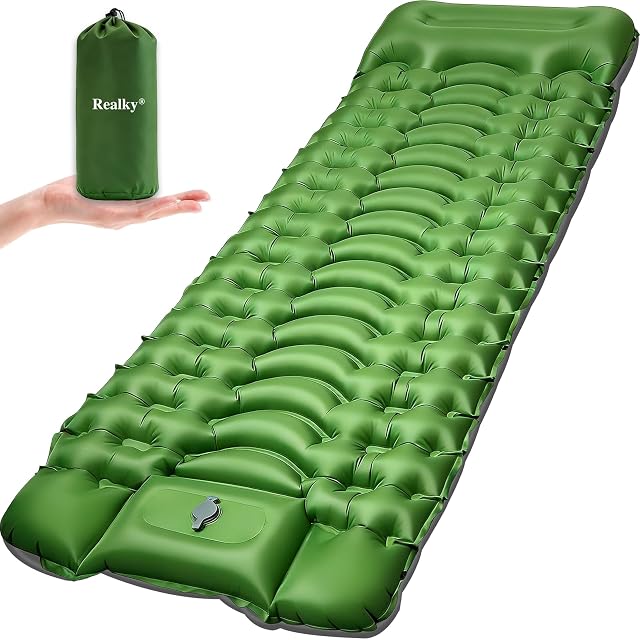
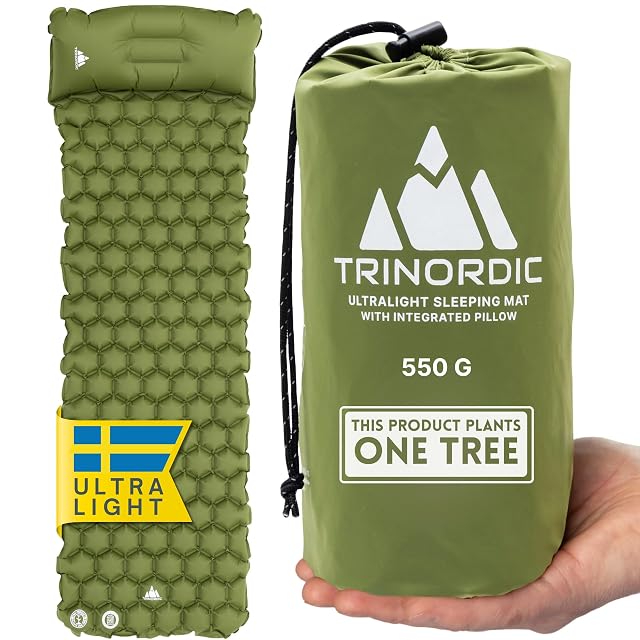
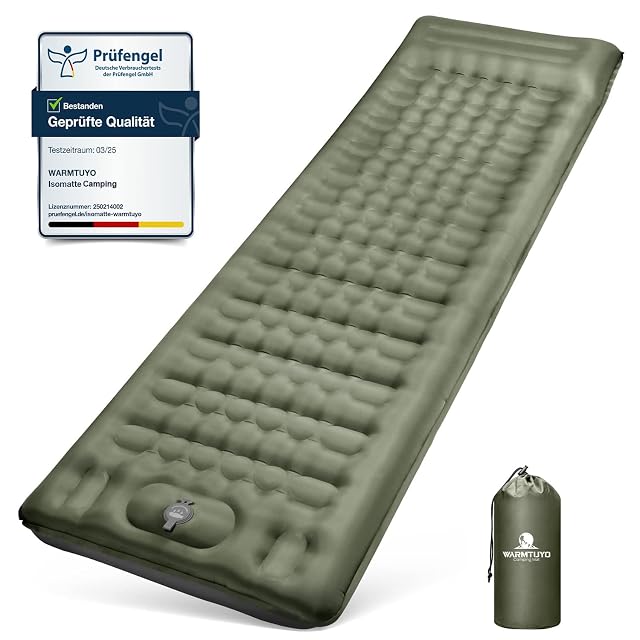
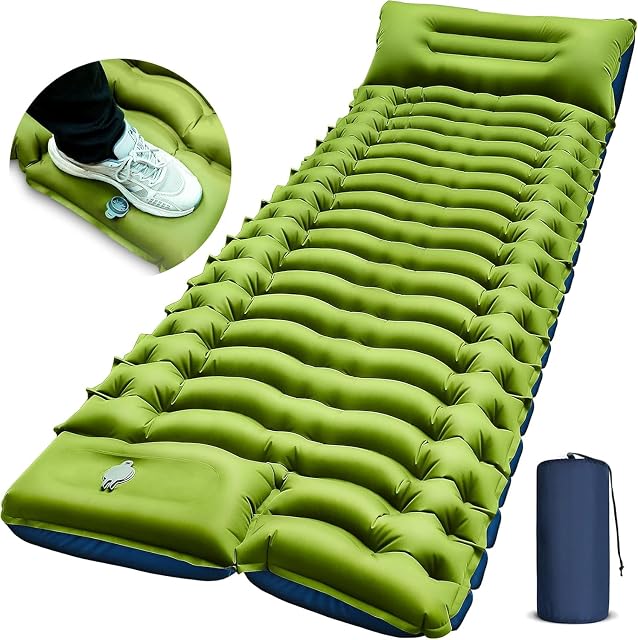
People buy a warmer bag when the cold is coming from underneath. The mat is what separates you from the ground, and its one decisive figure is R-value, a measure of resistance to heat flow. Since ASTM F3340 gave the industry a common test, R-values from different makers can finally be compared directly, so check that the figure is quoted against that standard rather than invented in-house. R-value adds up: a foam mat under an inflatable one gives you the sum, which is why the thin closed-cell mat still exists. The second figure is thickness, and it answers a different question — whether a side sleeper's hip reaches the ground through a compressed mat. Then come the trade-offs everything else hangs on: packed size against weight, and width and length, where the regular sizes leave broad shoulders on the cold floor. Construction changes the feel more than the specification suggests: air mats are light and noisy, self-inflating mats are heavier and quieter, closed-cell foam never punctures and never packs small. Denier on the base fabric is worth reading, since that is the face against grit. Note also whether inflation is by pump sack, integrated pump or lungs. We compare stated R-value and the standard quoted, thickness, packed size and weight, width and length, fabric denier and inflation method.