Rain is rarely the problem; your own moisture usually is
The best bivy bags for 2026
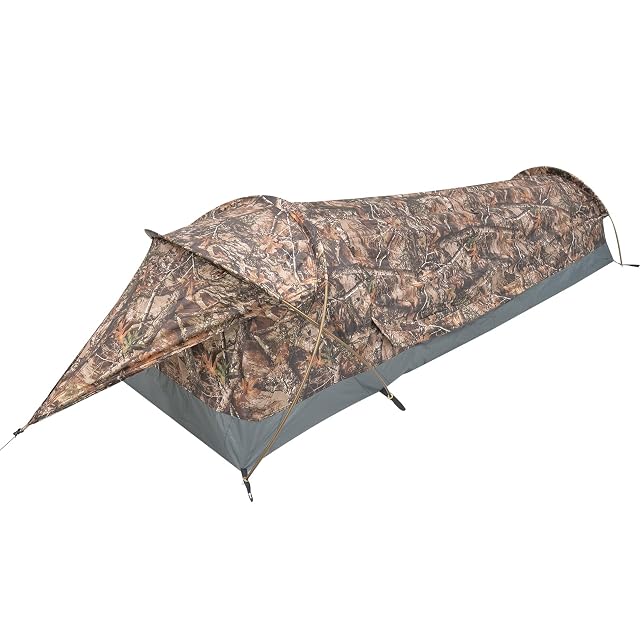
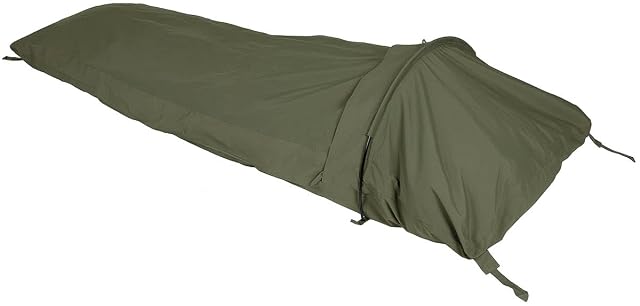
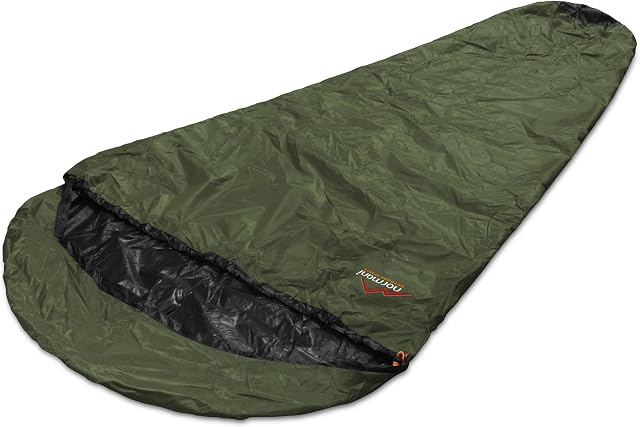
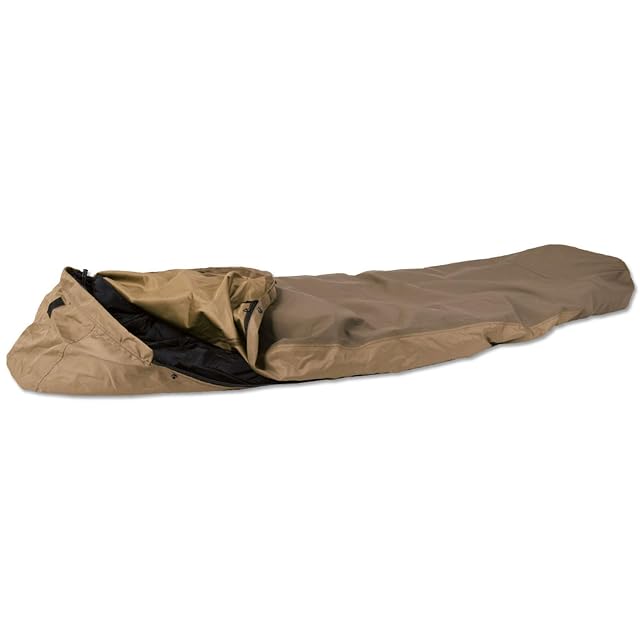
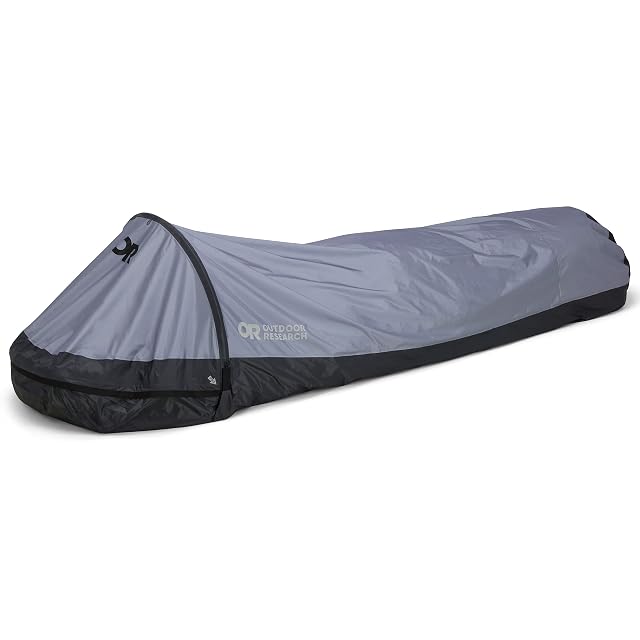
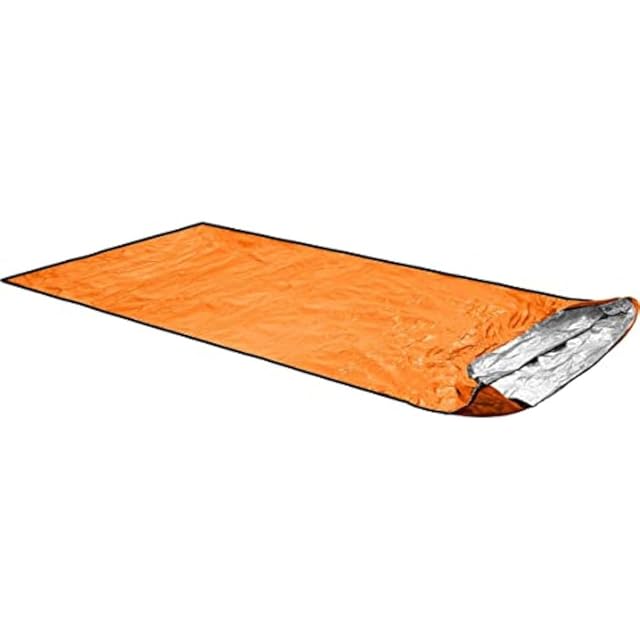
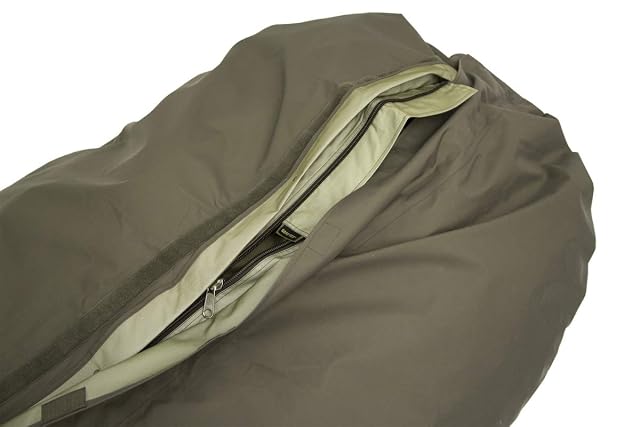
A bivy bag is a one-person shelter, and the specification everyone reads first is the least likely to be the problem. Hydrostatic head, published in millimetres, describes resistance to water pushing in from outside, and essentially everything on sale keeps rain out. What makes people damp is the moisture they produce themselves, so the figure to weigh against it is breathability — a moisture vapour transmission rate in grams per square metre per twenty-four hours, or a RET value — together with the test the maker names, because the scales are not interchangeable and none of them transfers cleanly to a still, cold night. Construction decides the rest. Taped seams and a waterproof zip are the difference between a rated fabric and a waterproof bag. The floor is normally a heavier denier than the top, and that number predicts how it survives being pitched on gravel. Then the shape: a flat bag packs smallest and lies against your face, while a hooped version carries a short pole over the head end, adds weight and packed bulk, and buys the space that makes a long night bearable. Check the entry — a full-length zip is easy to get into and adds a seam, a drawcord hood is lighter and slower — and read the packed size against the pack you already own. We compare fabric and denier, stated hydrostatic head, stated breathability figure and the test named, seam taping, hooped or flat construction, entry and closure type, packed size, and weight.