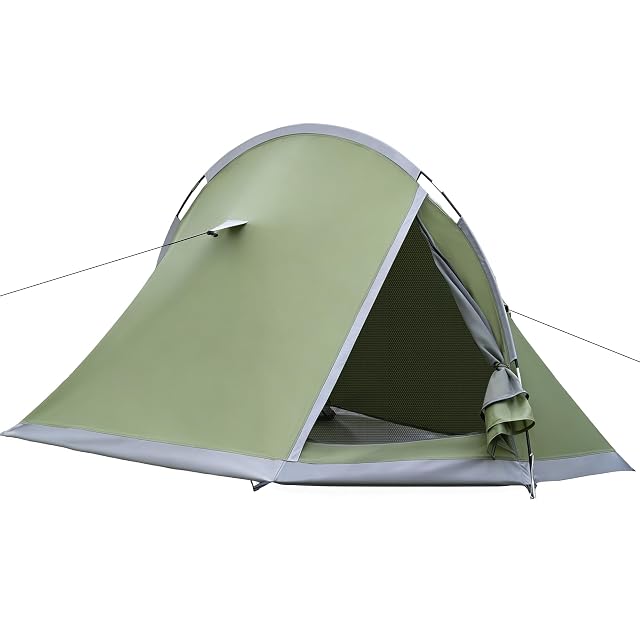
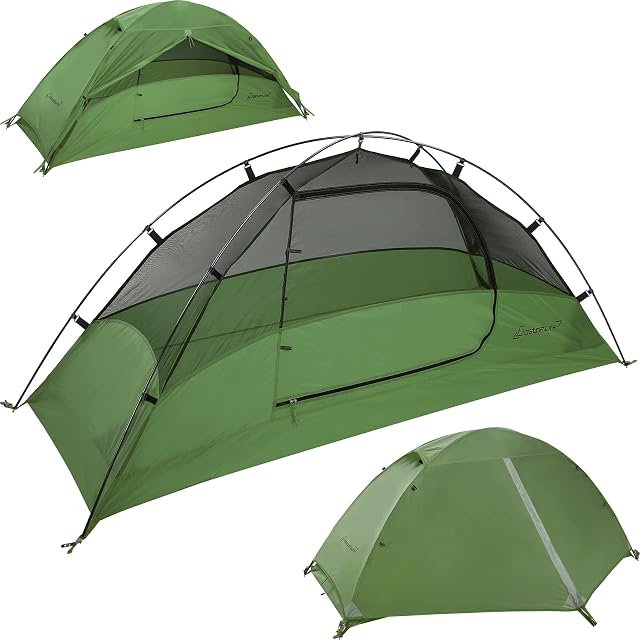
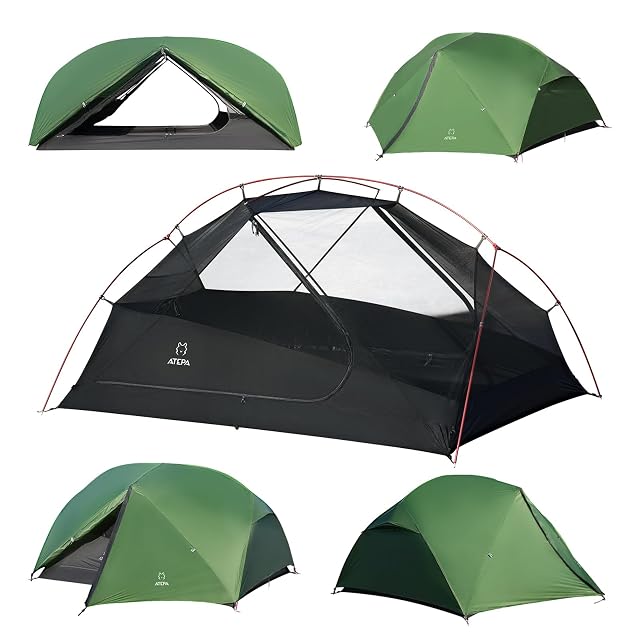
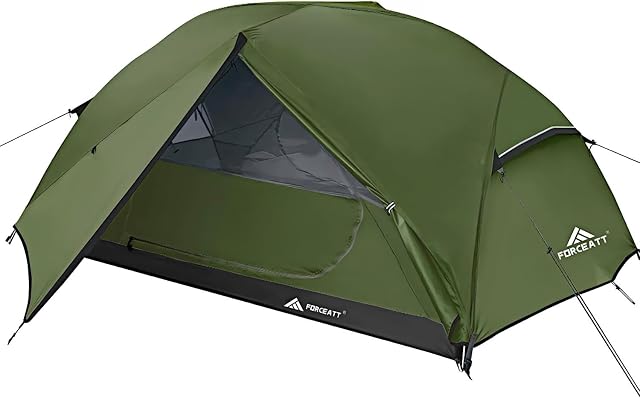
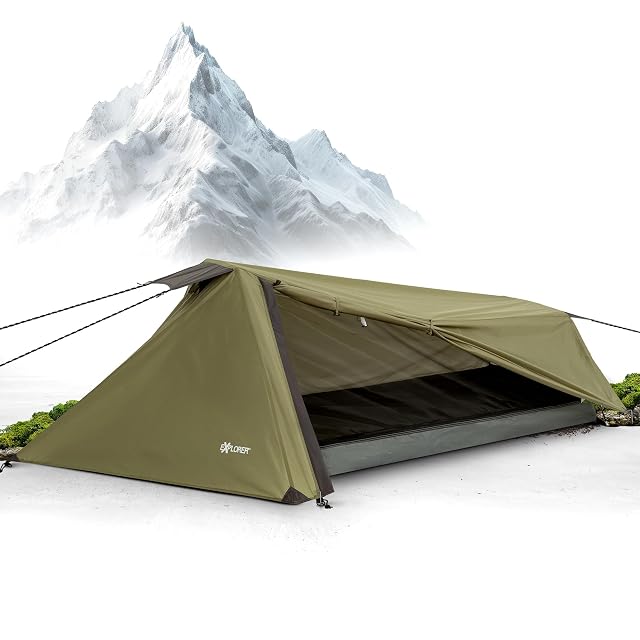
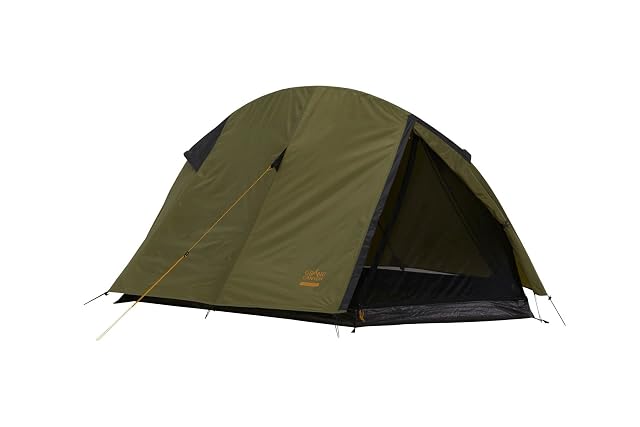
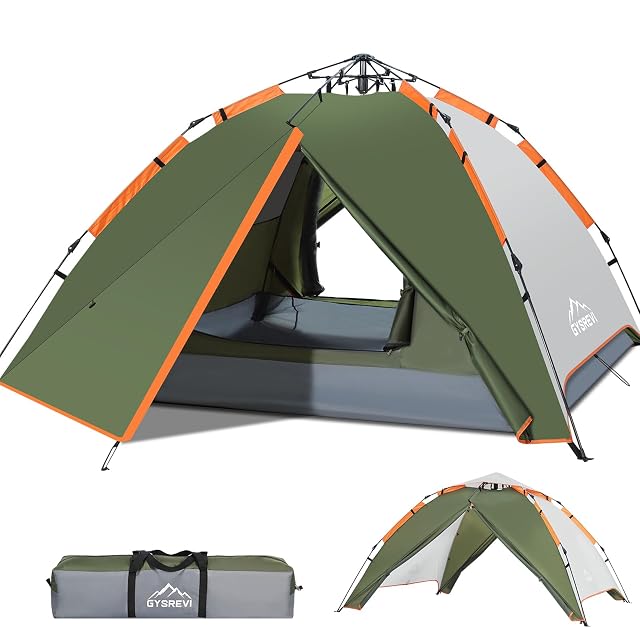
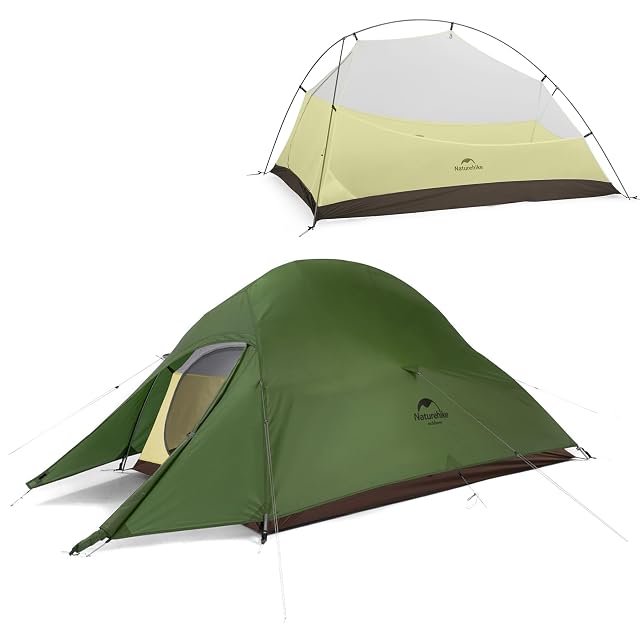
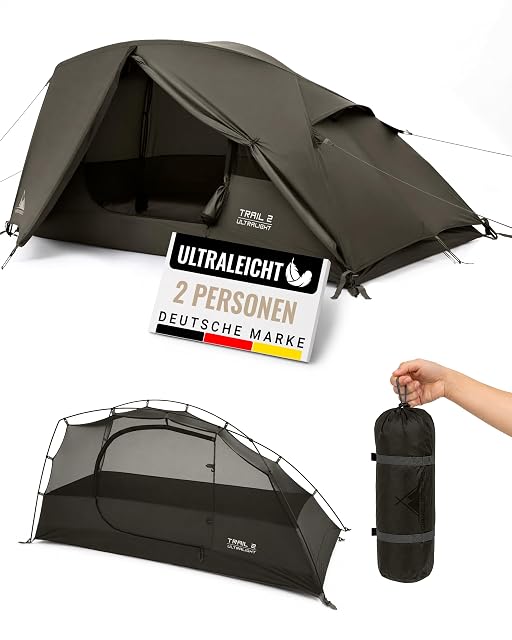
Trail weight and pitched footprint matter more than the season label
The best trekking tents for 2026
A trekking tent is sold on a weight that makers publish twice. Packed weight counts everything in the bag — pegs, guylines, repair sleeve, stuff sack — while trail weight counts only the parts needed to stand it up. The gap between the two runs to several hundred grams, and comparing one maker's trail weight against another's packed weight is the commonest error in this category. The second figure is hydrostatic head, quoted in millimetres of water column and quoted separately for the flysheet and the groundsheet; the floor figure is normally the higher of the two, because a knee on a wet pitch presses harder than rain falls. Fabric is described in denier — 20D nylon is light and thin, 70D is heavier and takes more abuse — and poles are either an aluminium alloy or fibreglass, which is where the cheap end of the shelf gives itself away. Then the geometry: floor area per person, peak height, and how much of the length stays full height instead of tapering into wall. The pitch type — freestanding, semi-freestanding, or pitched on trekking poles — decides whether it stands on a wooden platform or needs ground soft enough for pegs. A season number is a shorthand rather than a standard, so read the pole count and how far the fly reaches down. We compare stated trail and packed weight, floor area and peak height, hydrostatic head of flysheet and groundsheet, fabric denier, pole material, pitch type and season rating.