The opening decides whether it dries; the litres only decide weight
The best hydration bladders for 2026
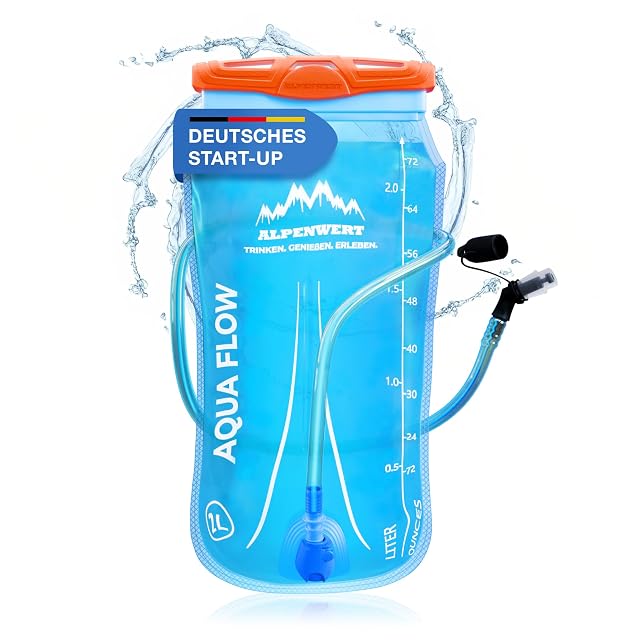
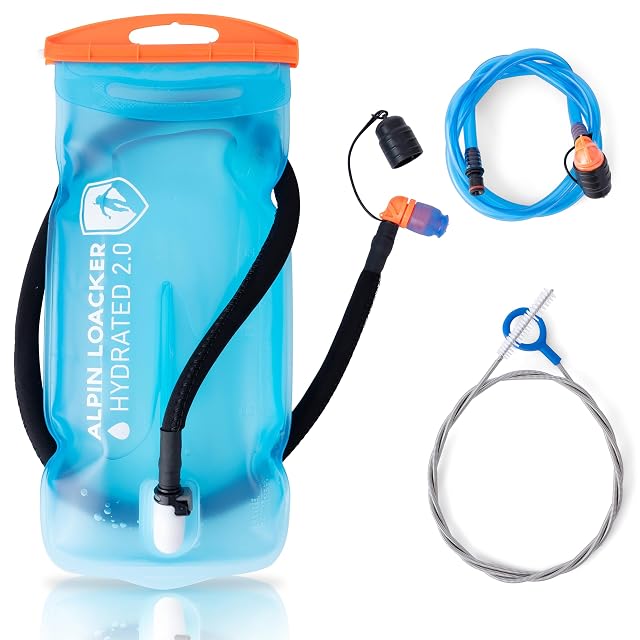
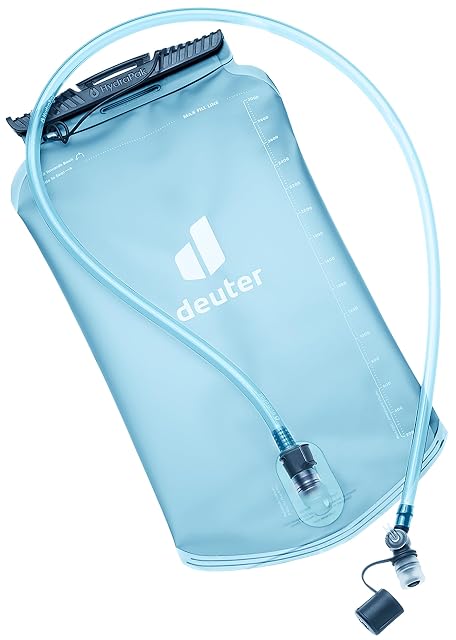
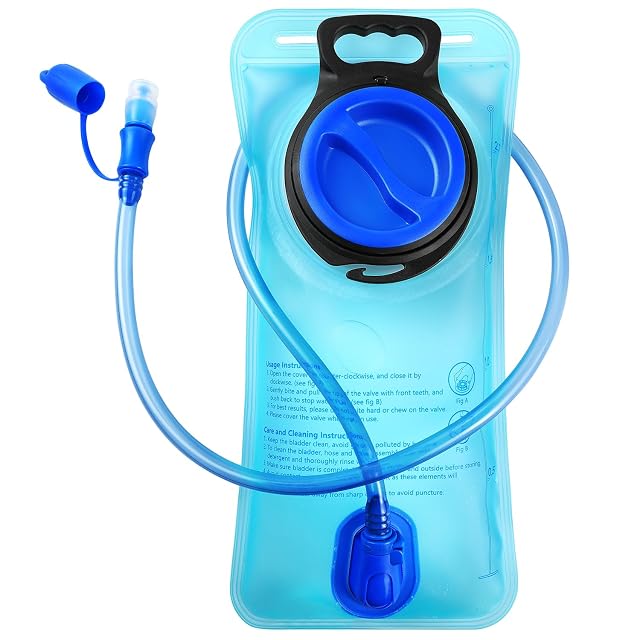
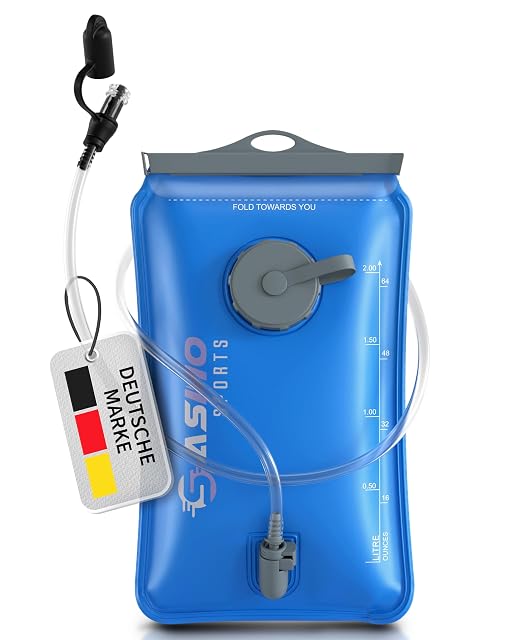
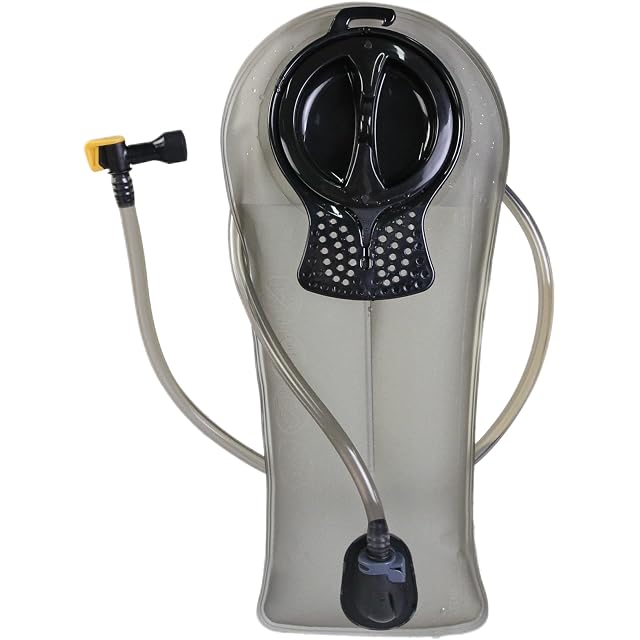
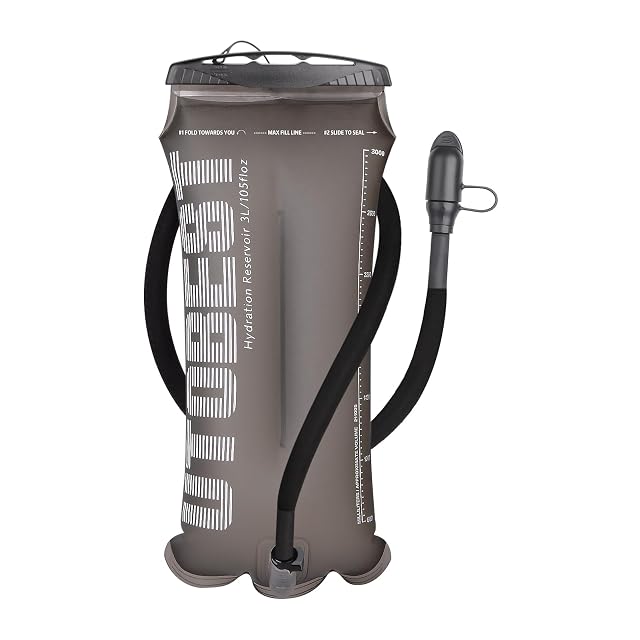
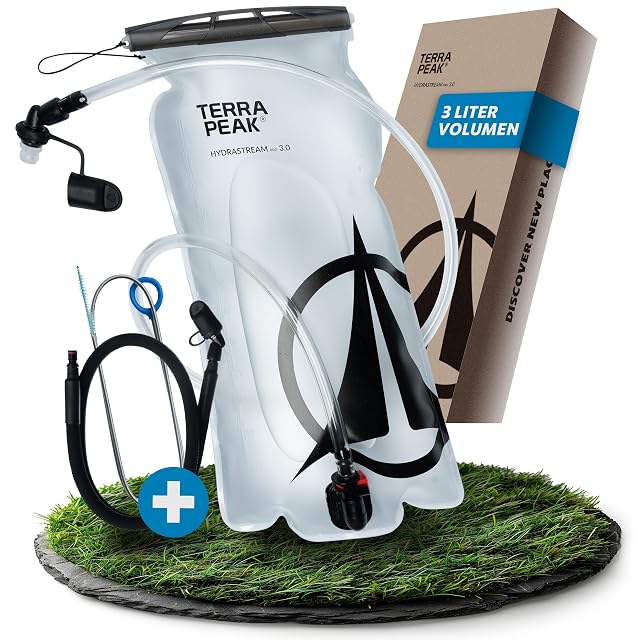
A hydration bladder is shopped on stated capacity in litres, and that is the least useful figure on the page. Capacity decides how much water you carry; everything else decides whether you will still be using the reservoir next season. Start with the opening. A wide slide-top or a full-width screw cap can be turned back on itself and dried; a narrow port cannot, and a bladder that never dries properly is a bladder that gets thrown away. Then the hose, where three separate specifications hide. Internal diameter sets how hard you have to draw. The bite valve decides whether one exists at all in a shut-off version, which is what stops a pack soaking itself in transit. And the quick-disconnect at the reservoir decides whether you can lift the bladder out to refill without threading the tube back through the pack every time. Materials are published as polyurethane or TPU film with welded seams, sometimes with a stated wall thickness, and makers state whether the reservoir may go on the top rack of a dishwasher — a claim worth finding, because the alternative is a brush set and a drying frame. Last, the dull details that decide daily use: the fill port width against the tap or bottle you actually fill from, and whether the hanger matches the sleeve in the pack you own. We compare stated capacity in litres, opening type and fill port width, hose internal diameter, bite valve and shut-off, quick-disconnect fitting, film material and seam construction, stated cleaning method, and empty weight.