Fuel type decides everything else: weight, cold behaviour, resupply
The best camping stoves for 2026
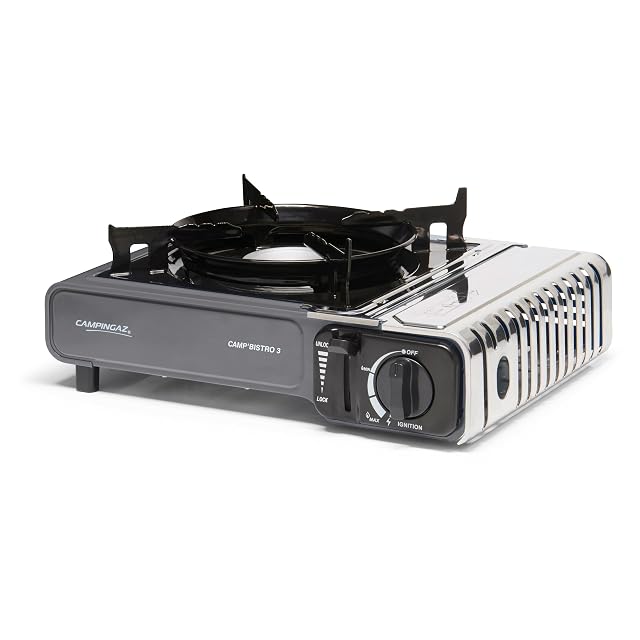
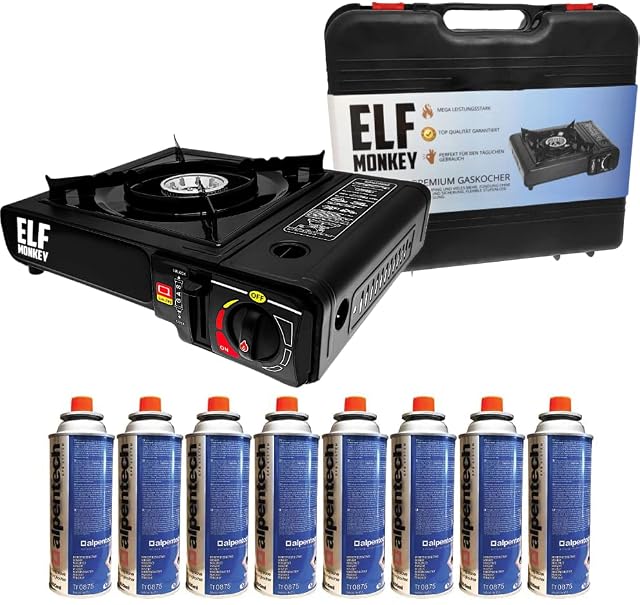
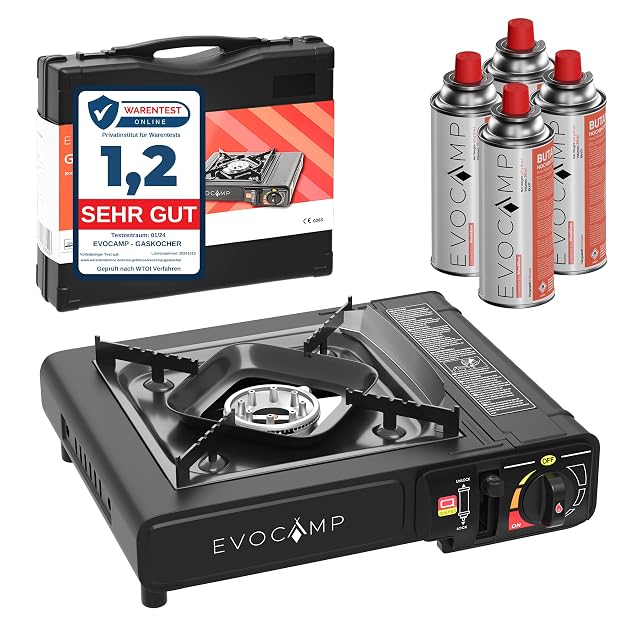
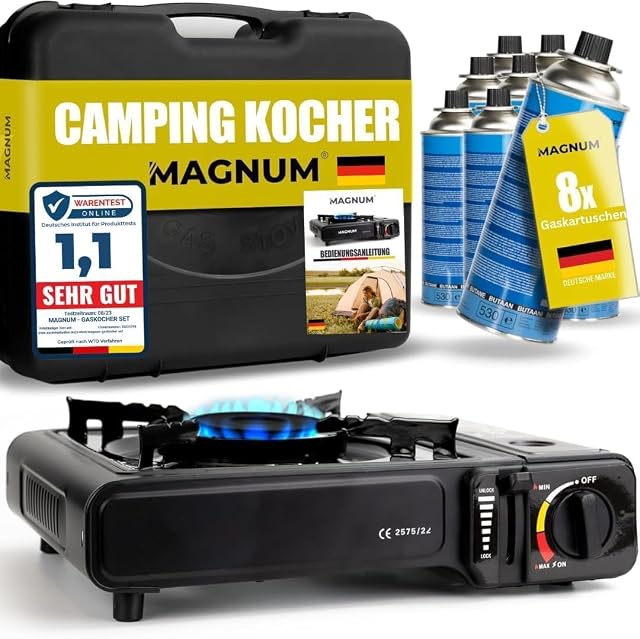
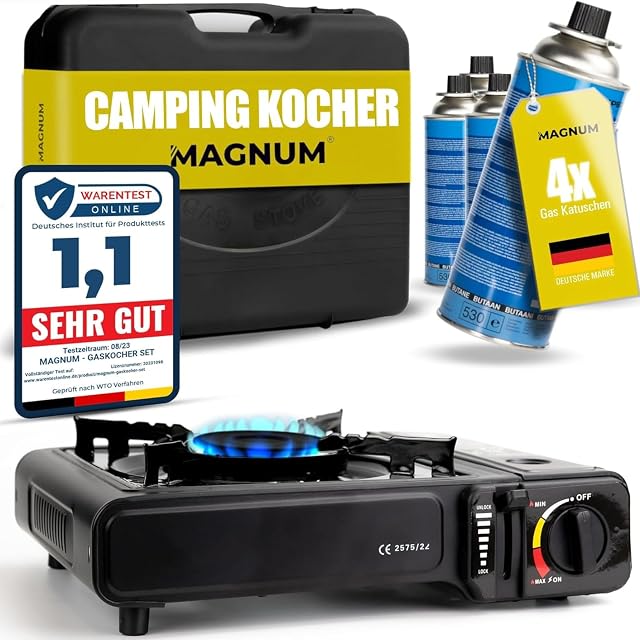
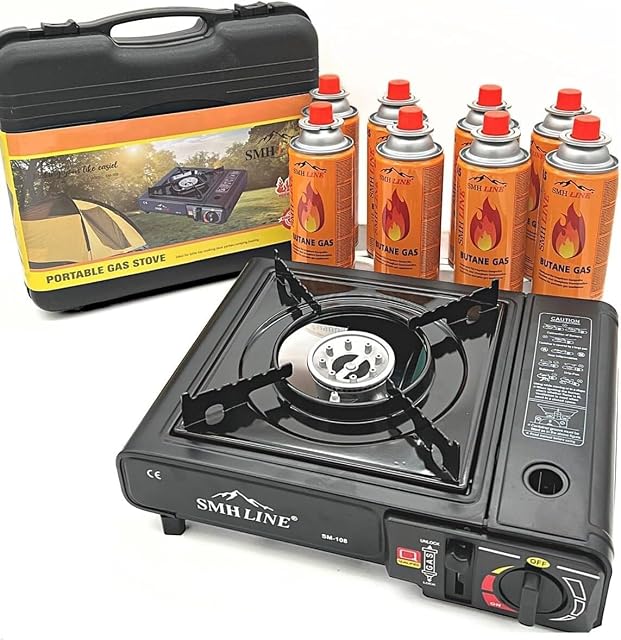
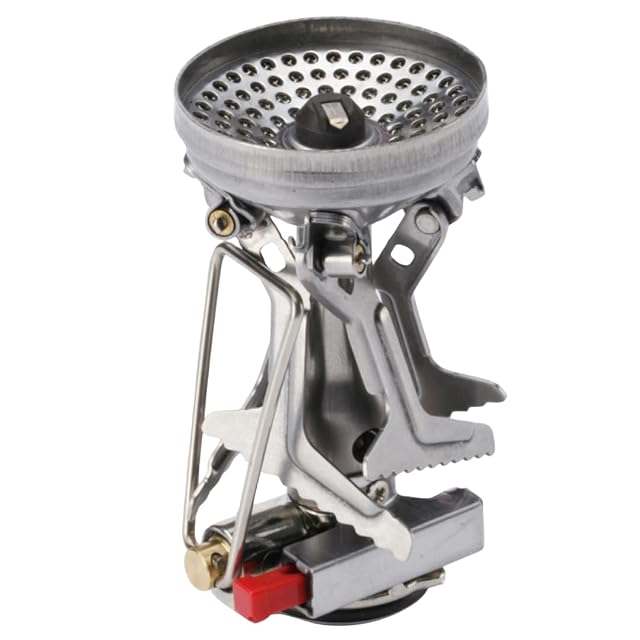
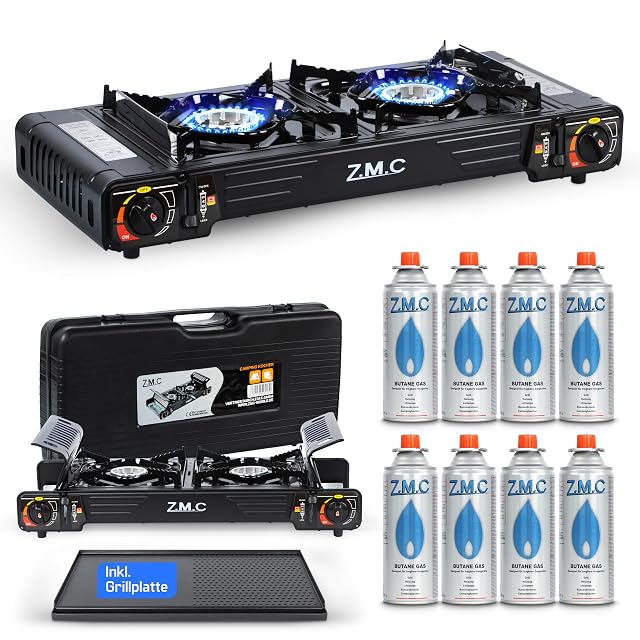
Choose the fuel before you choose the stove, because everything else follows from it. Screw-on gas canisters to the EN 417 thread are the lightest and simplest, and their pressure falls as the canister empties and as the air cools, which is why some models fit a pressure regulator and say so. Liquid fuel stoves are heavier, need priming and maintenance, and are bought for cold weather and for countries where canisters are hard to find. Solid fuel and wood-burning designs are lightest of all and slowest by a wide margin. Within a fuel, the honest comparison is stated output in watts alongside the boil time the maker publishes with its water volume — a boil time with no volume beside it is not a number. Integrated systems, where the pot clips to the burner and carries a heat exchanger, publish shorter times and lock you into their pot. Then read weight, whether a piezo igniter is fitted, the pot support width that decides what will sit on it without tipping, and the simmer control, which separates a stove that cooks from a stove that only boils. The maker's instructions govern where and how any stove may be used. We compare fuel type and canister fitting, stated output and boil time with its stated volume, pressure regulation, weight, ignition, pot support width and packed size.