Maximum lumens without a runtime beside it tells you nothing
The best camping lanterns for 2026
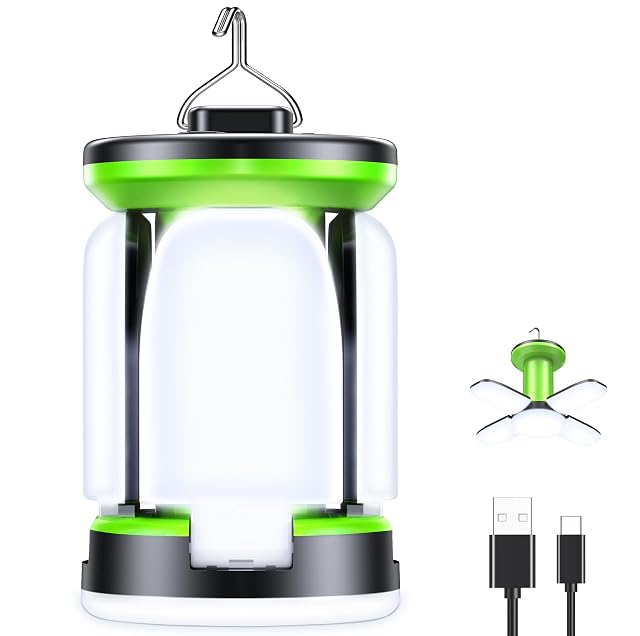
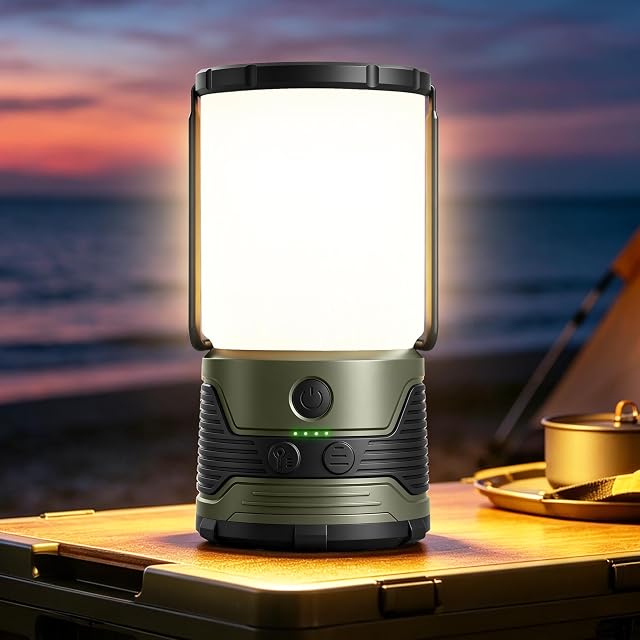
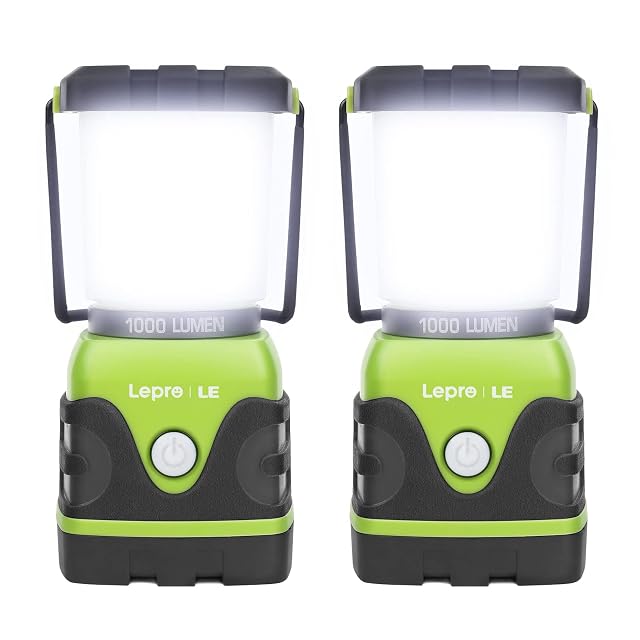
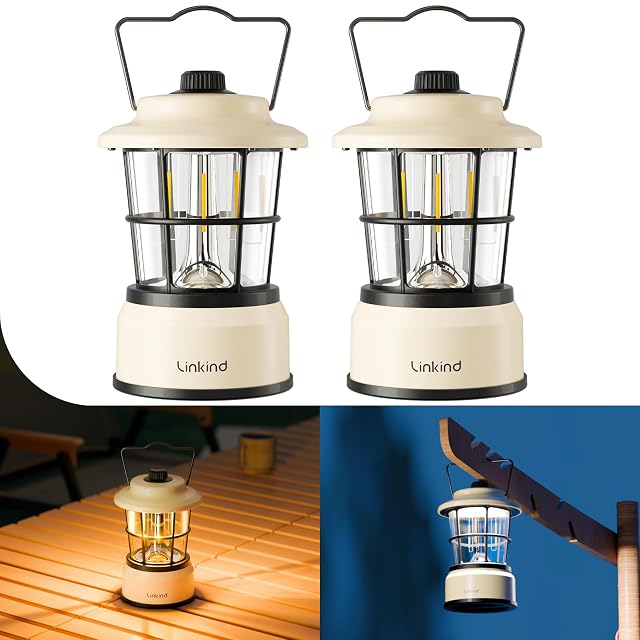
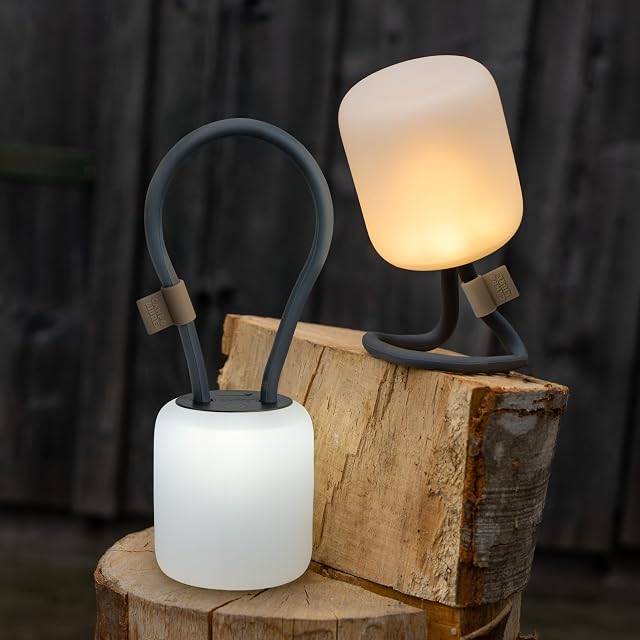
A lantern is sold on lumens and lived with on runtime, and only the makers worth reading publish the two as a pair. A maximum output figure normally applies to a boost mode that lasts a small fraction of the charge, so the specification to look for is the runtime stated at each level alongside the output at that level. Then the light itself. Colour temperature in kelvin decides whether the pitch looks like a kitchen or a fireside: a warmer figure is easier to sit under all evening, a cooler one is better for finding a dropped tent peg in the grass. A few makers also publish a colour rendering index; most do not. Power is the next fork, and it is the one people regret. A sealed lithium-ion pack recharges over USB-C and often doubles as a power bank, which is convenient until the cells age and the whole lantern becomes disposable. Replaceable cells weigh more and cost more over time, but they can be bought in any village shop and swapped in the dark. Finally the fittings that decide whether the light is usable: an IPX rating saying whether it can hang outside in rain, a diffuser that stops it glaring at eye level, and a hook, loop or magnet, because a lantern on the ground lights the ground. We compare stated output and the runtime published at each level, colour temperature, power source and battery chemistry, charge port, ingress rating, hanging hardware, and weight.