Length decides the lie; the suspension decides everything else
The best camping hammocks for 2026
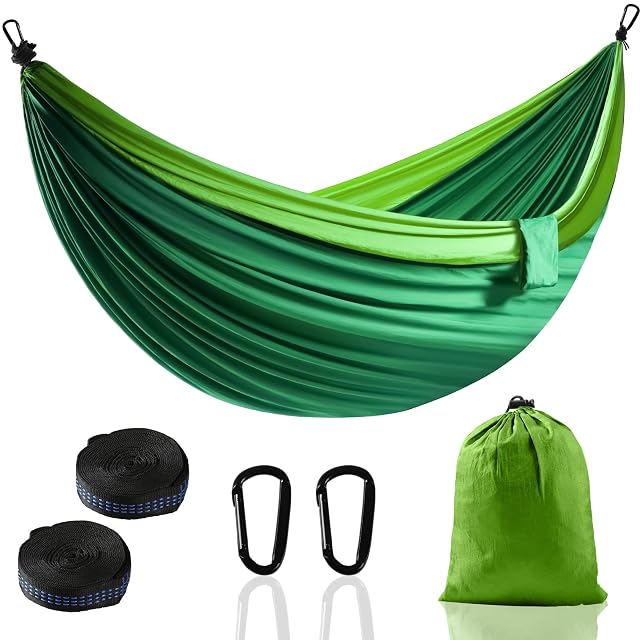
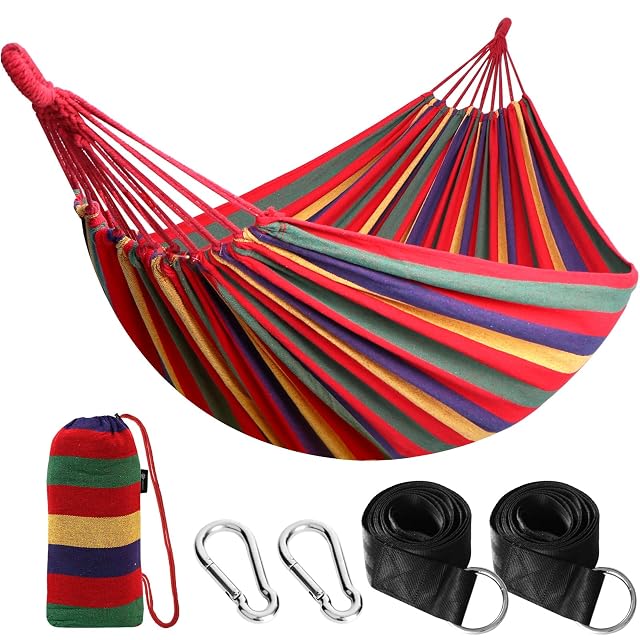
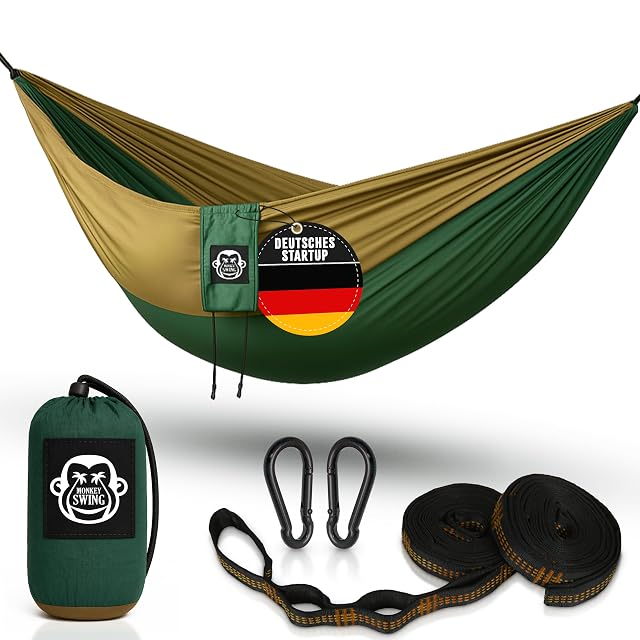
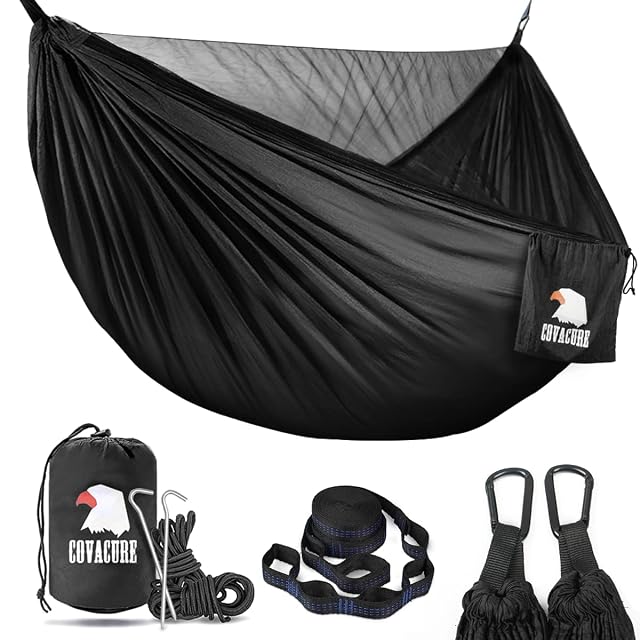
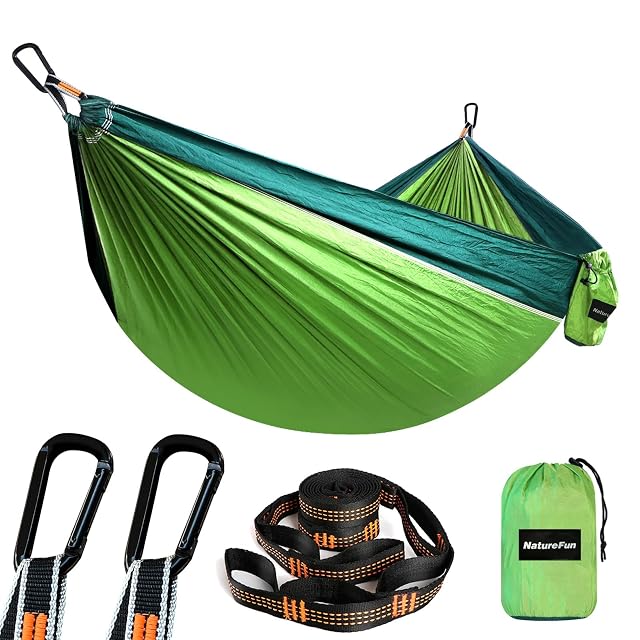
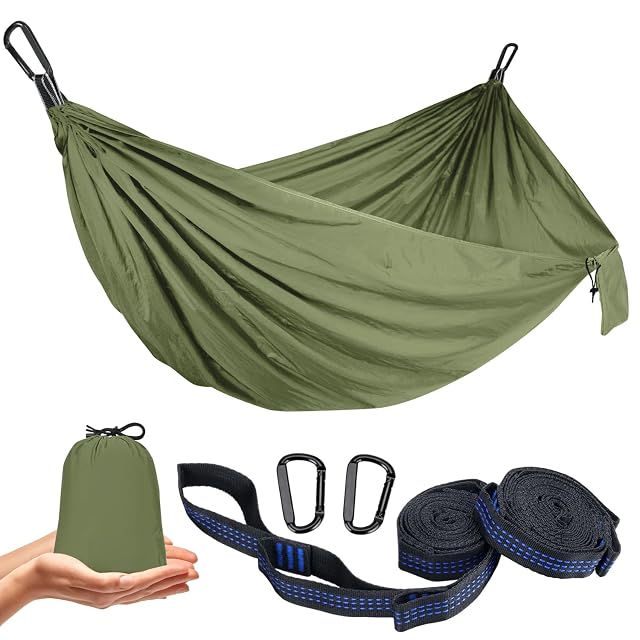
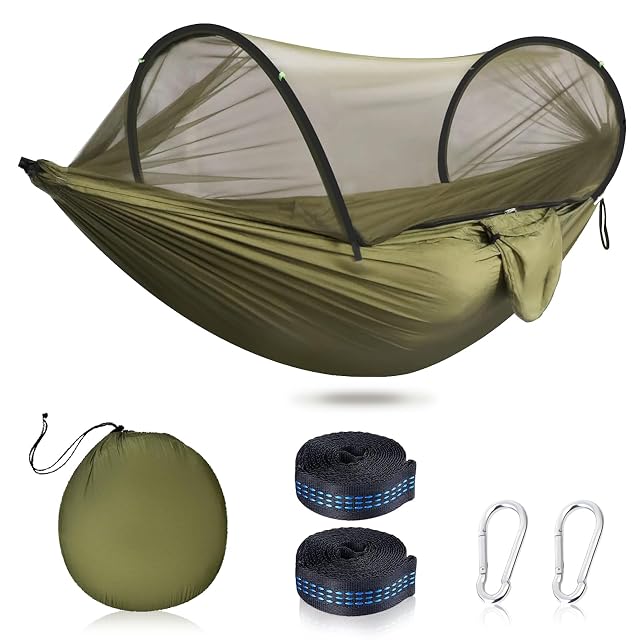
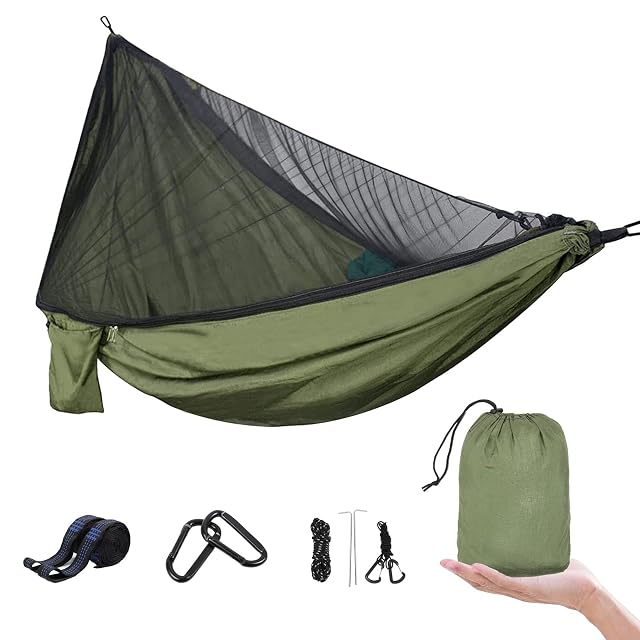
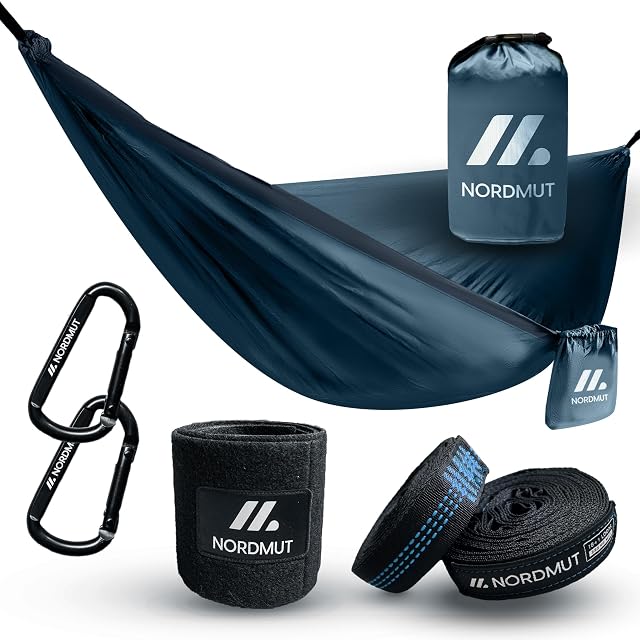
The figure that decides whether a hammock is comfortable is length, and it is the one most listings bury. A gathered-end hammock is slept in diagonally, not along its axis, so a body needs roughly two feet of fabric beyond its own height before that flat diagonal lie is available at all. Width then decides how far across the diagonal you can move. Fabric is quoted in denier — 70D nylon ripstop is the common camping weight, 40D and below is the ultralight end — and the maker publishes a stated load figure, which we report as published and never restate as our own; the maker's instructions govern how it is hung and used. Read the suspension separately, because it is frequently sold apart from the hammock and carries its own stated figure: tree straps with a stated width, whether the set includes carabiners, and what the whole assembly weighs once you add them. Then the fittings that make it a shelter rather than a garden seat: a structural ridgeline, which fixes the sag at a repeatable angle instead of leaving it to guesswork, an integrated or zip-on bug net, and the packed weight and size of the complete kit. We compare length and width, fabric denier, the stated load figure, packed weight and size, whether suspension is included, ridgeline and bug net.