Seat height, not packed weight, decides who can stand up again
The best camping chairs for 2026
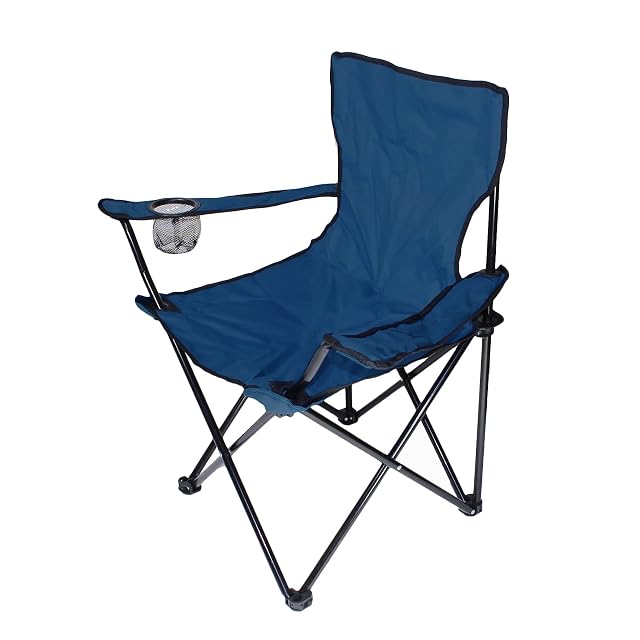
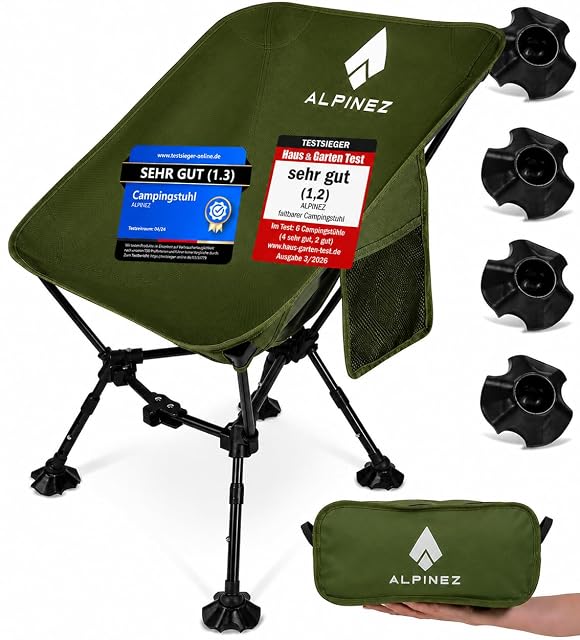
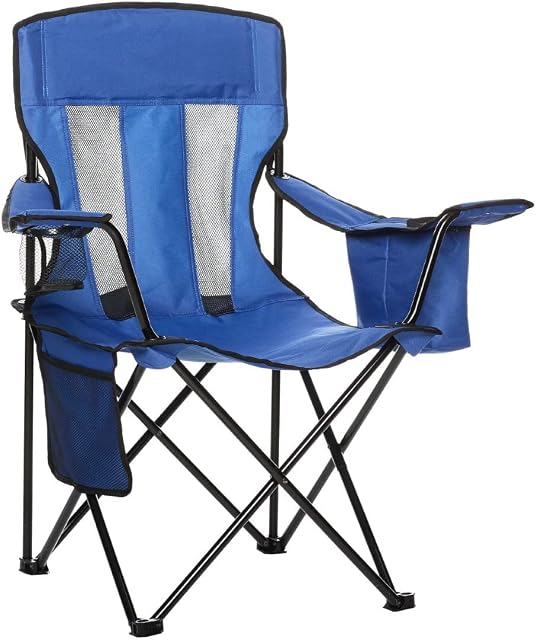
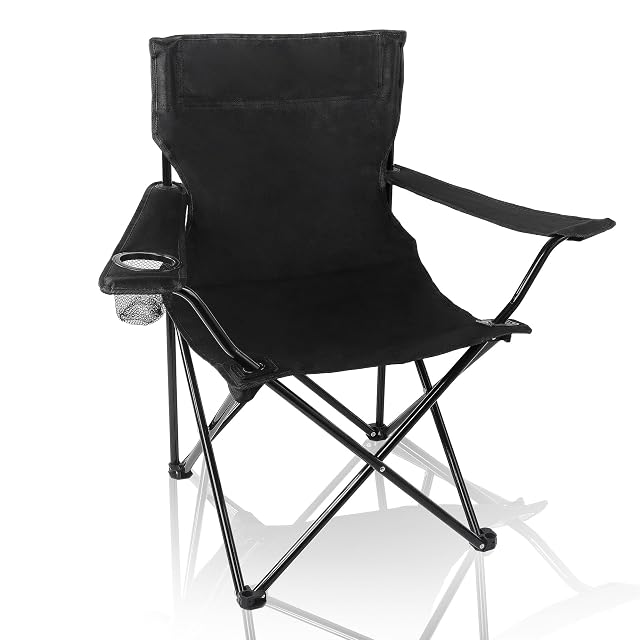
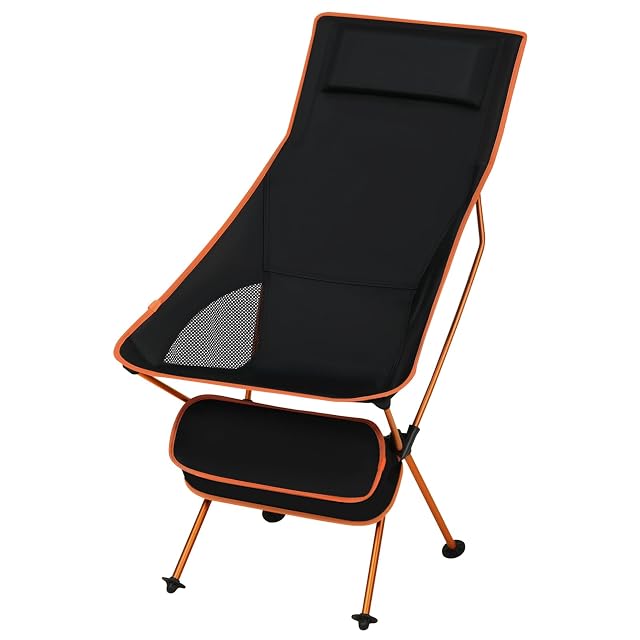
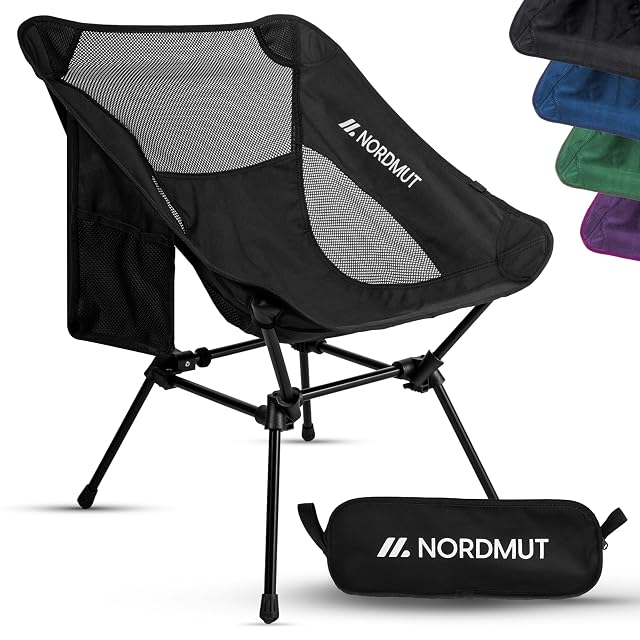
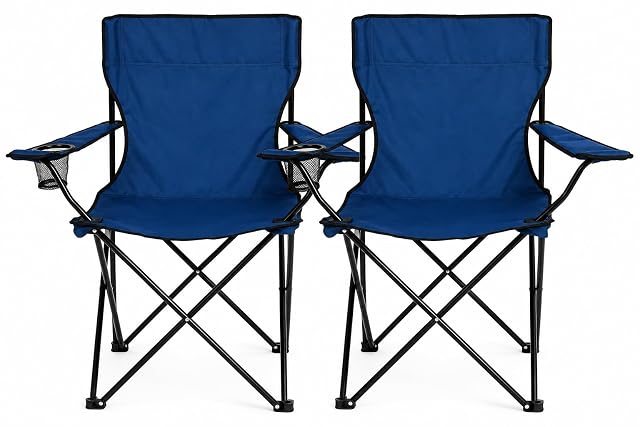
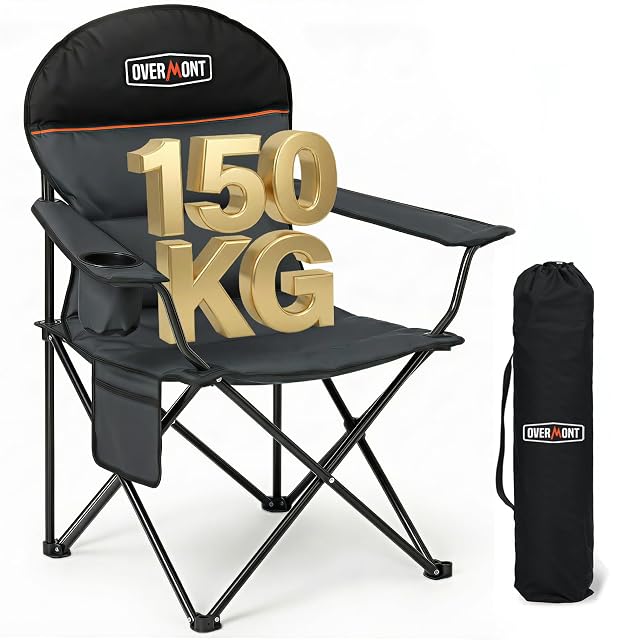
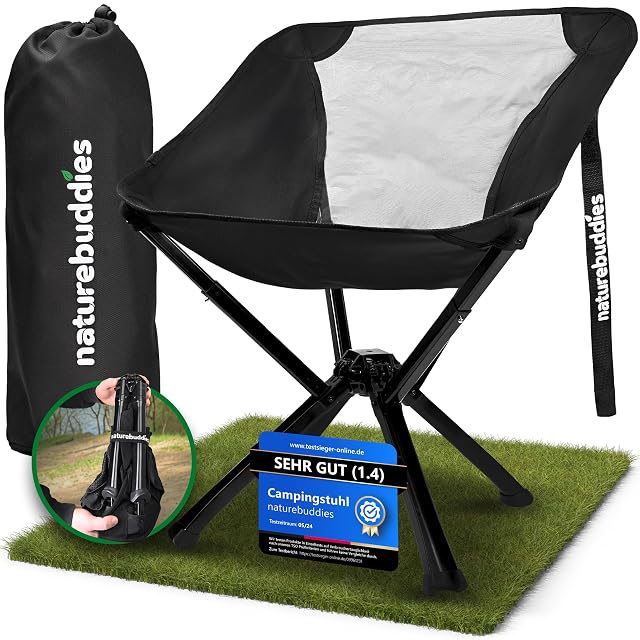
Two numbers decide a camp chair, and neither is the packed weight everyone shops on. The first is seat height, measured from the ground to the front edge of the seat. A low chair packs small and sits you in the smoke with your knees above your hips; a dining-height chair weighs more, works at a table, and lets you stand up without using your hands. The second is the stated maximum user weight, which the maker publishes as a design figure for the frame rather than as a challenge, and which is the line to read before anything about colours. After that, construction. Frames are aluminium alloy or steel, and the published tube diameter says more about stiffness than the material name does. Seat fabric is quoted in denier — polyester in the 600D and 1000D grades is what the catalogue is built from — and the higher figure resists the grit and gravel that eventually cut a seat. Feet matter more than they look: bare tube ends sink into sand and soft grass, so it is worth knowing whether wide discs are fitted or sold separately. Then the fold. A shockcorded frame with a slung seat packs into a stuff sack; a quad-fold chair does not, but it opens in one movement. We compare stated maximum user weight, seat height, packed length and weight, frame material and tube diameter, fabric denier, foot design, armrest fitting, and back height.