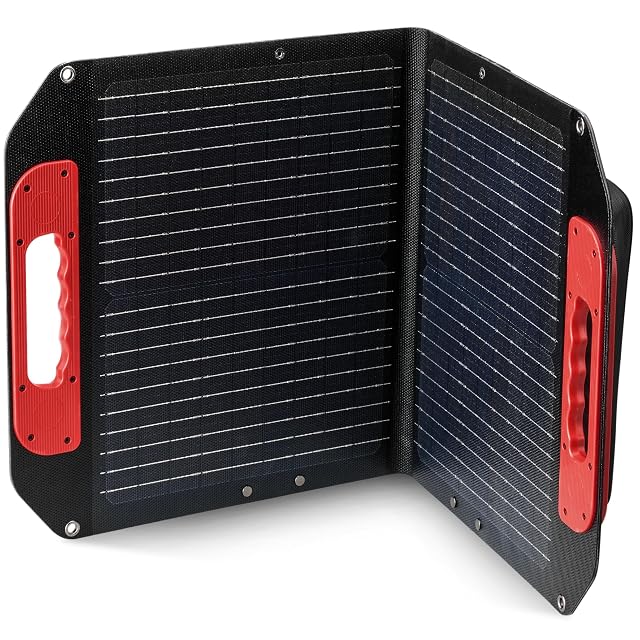
The peak watt figure is a bench value, not a field promise
The best portable solar panels for 2026
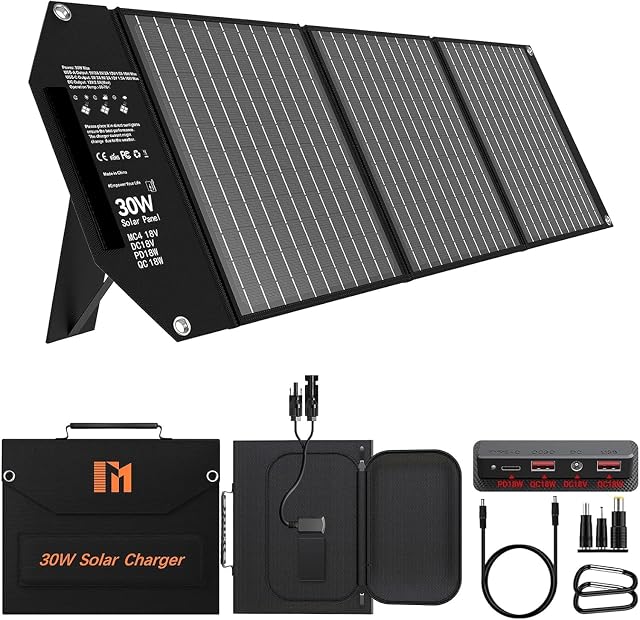
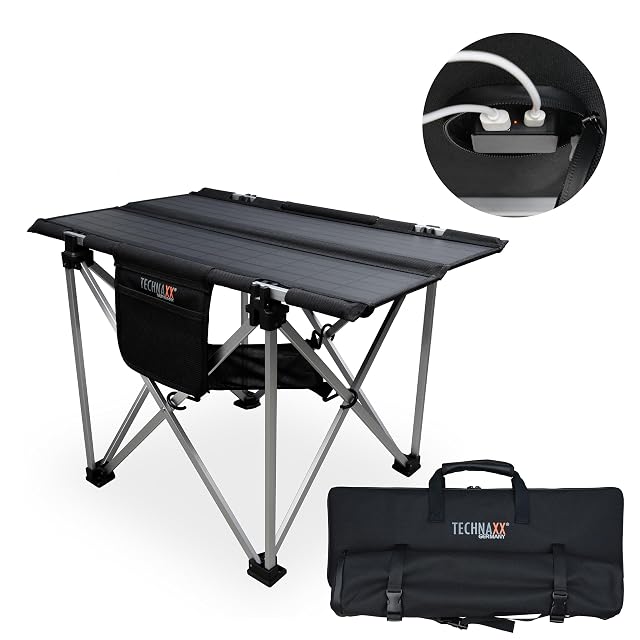
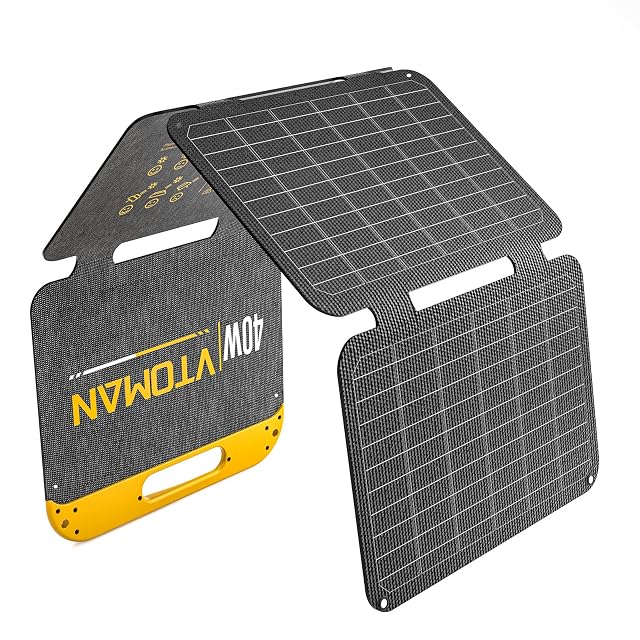
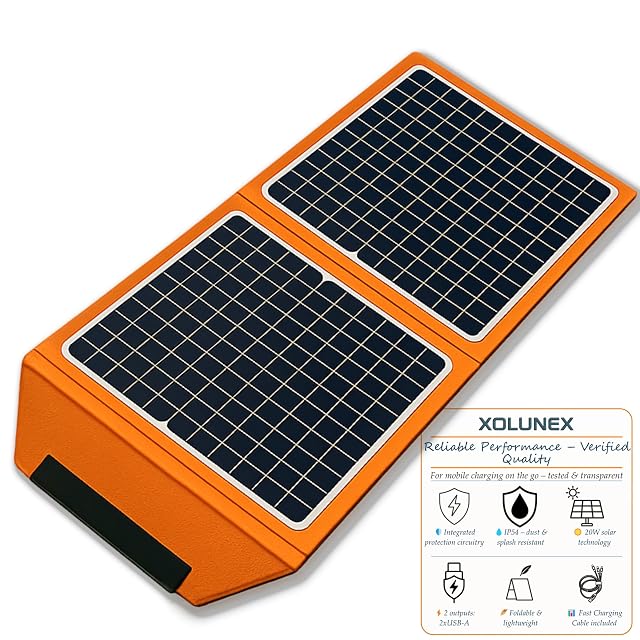
The headline on a folding panel is a peak watt figure, and it is a laboratory value. Makers publish it under standard test conditions — a defined irradiance, a defined cell temperature and a defined air mass — which the panel meets on a bench, not on a pitch at half past four in October. Read it as a way of ranking panels against each other, not as a promise of what will reach a battery. What you can act on is the rest of the datasheet. Cell type and the stated conversion efficiency tell you how much panel you carry for each watt. The output ports decide compatibility: a USB-C socket advertising a Power Delivery profile charges a phone or a laptop directly, while a barrel or proprietary DC output is aimed at one power station and needs the right lead. Ask whether a charge controller is built in or lives in the power station, because a bare panel wired to a battery is not a charging system. Then the physical facts: folded and unfolded dimensions, weight, and the kickstand, since the angle you can set is what actually changes yield through the day. An ingress rating, where one is published, usually covers the panel face while the junction pocket is rated separately or not at all. We compare stated peak output in watts under standard test conditions, cell type and stated efficiency, port set and Power Delivery profiles, whether a controller is included, folded and unfolded dimensions, weight, and stated ingress rating.