Retention hours only compare when the stated conditions match
The best insulated flasks for 2026
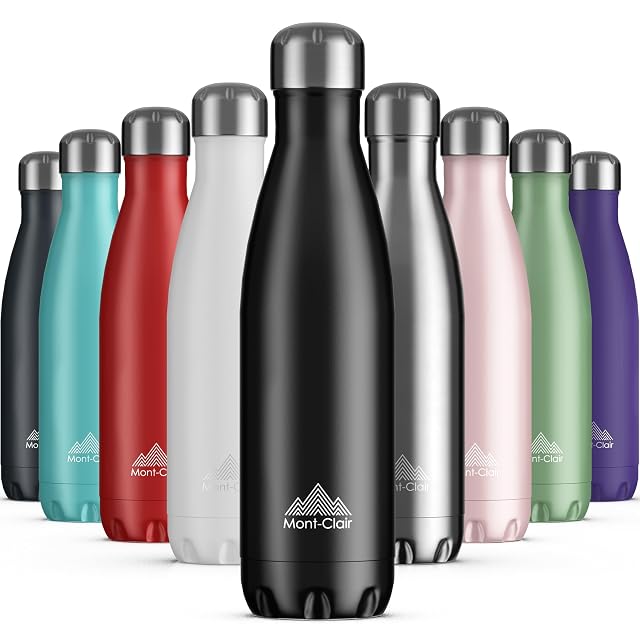
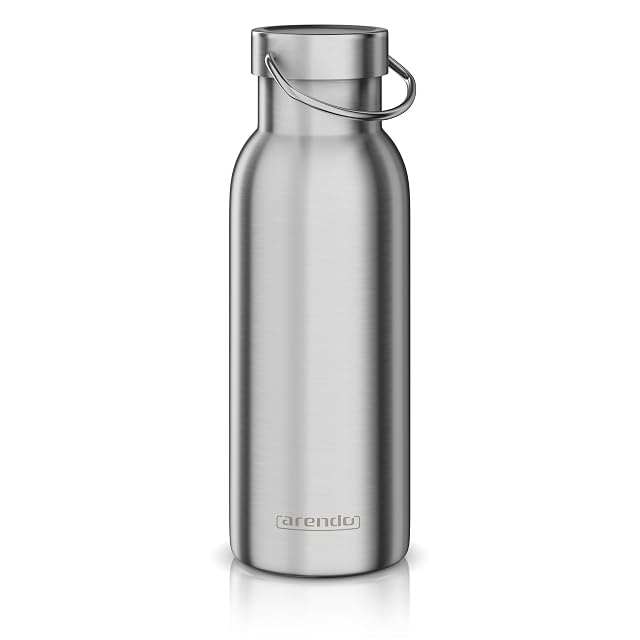
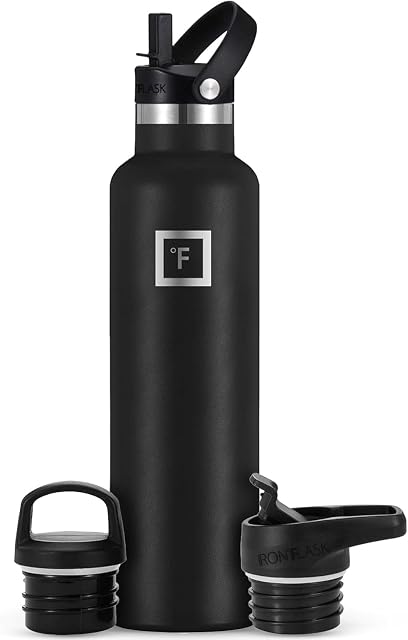
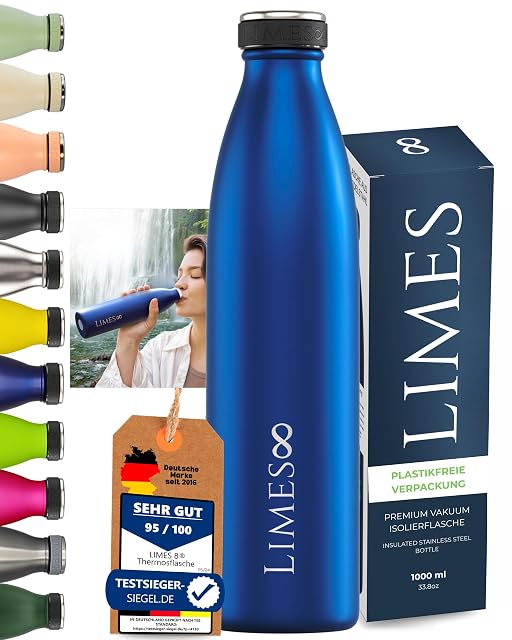
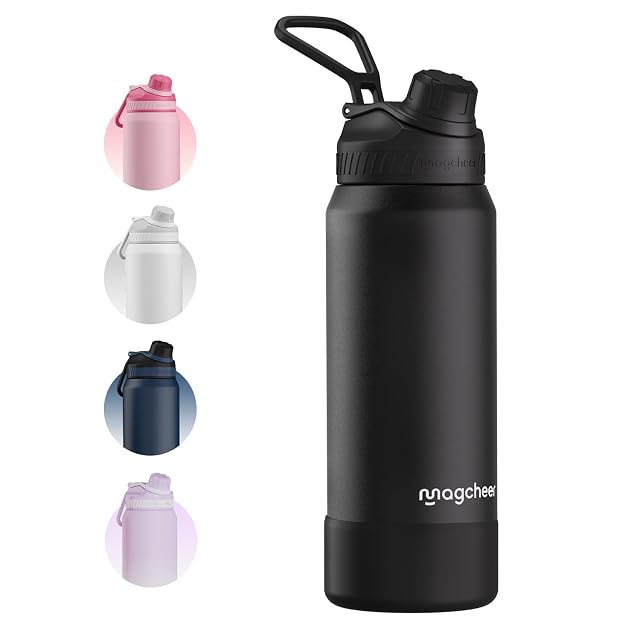
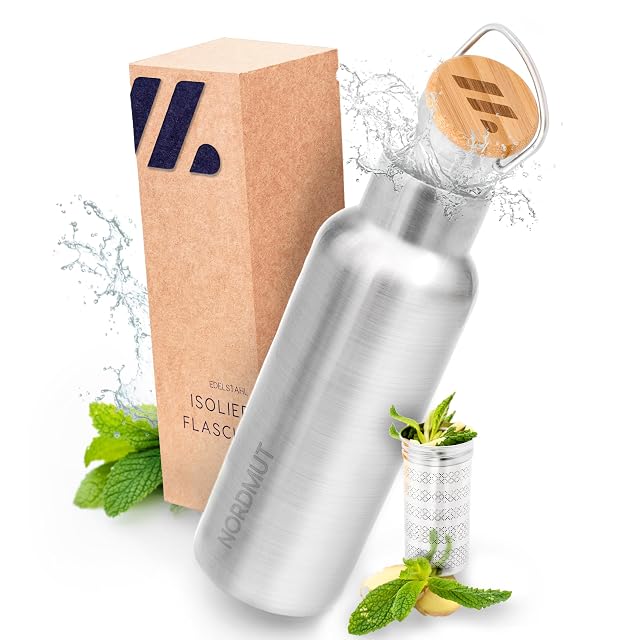
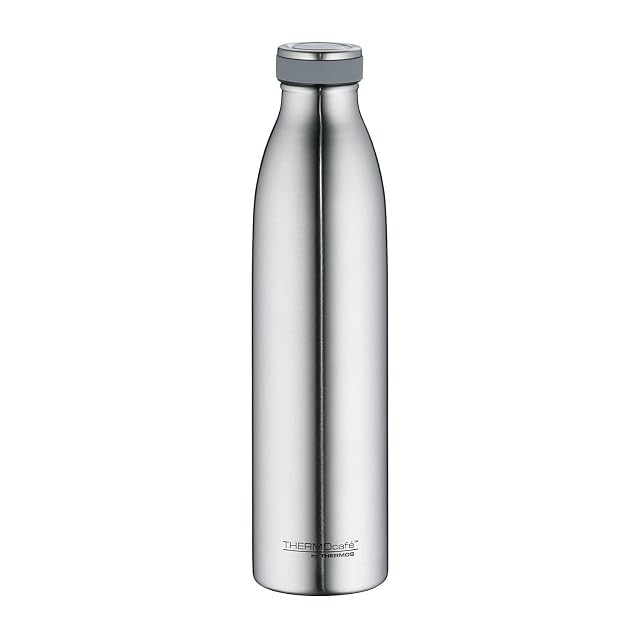
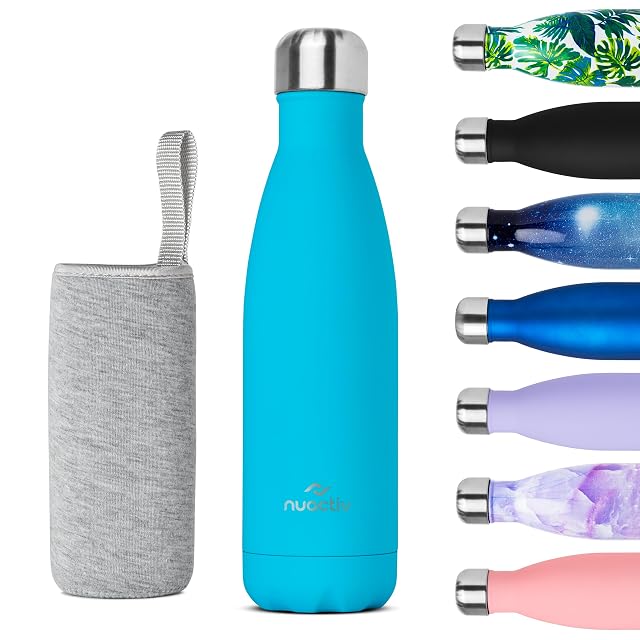
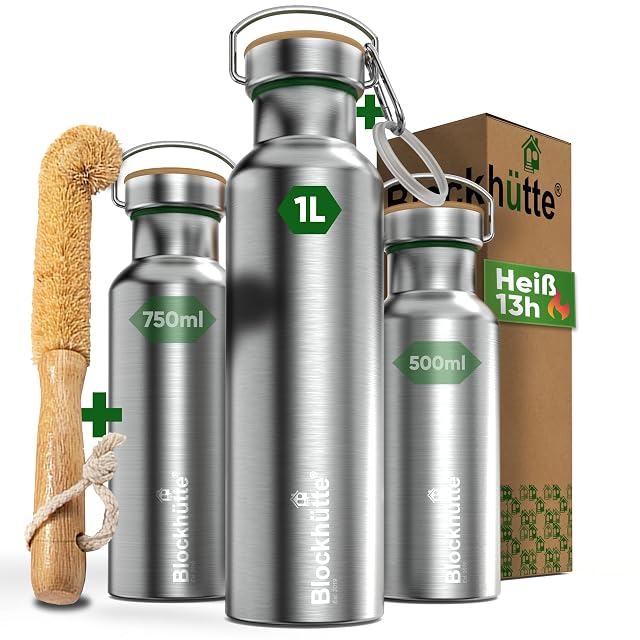
Every vacuum flask on the shelf claims the same physics — a double-wall vacuum between two skins of stainless steel, usually published as 18/8 — so the useful differences are elsewhere. Makers publish hot and cold retention times in hours, and each figure comes from conditions the maker sets: a starting temperature, an ambient temperature, and a threshold that still counts as hot. Two flasks quoting the same duration have not necessarily been measured the same way, which is why the conditions matter more than the hours do. The mouth diameter is the specification that decides daily use. A narrow mouth pours cleanly and loses less heat; a wide mouth takes ice, a bottle brush and soup. The lid is both the part that leaks and the part that fails. A plain screw stopper has nothing to break; a push-button or flip lid is easier one-handed and hides a gasket that has to come out and dry. It is worth checking whether the maker sells replacement seals, because a flask usually outlives its first gasket by years. Then the outside: a powder coat resists chipping and adds grip, bare steel shows every knock, and the base diameter decides whether it stands in a car cup holder at all. We compare stated capacity, wall construction and steel grade, published hot and cold retention times with the conditions given, mouth diameter, lid type and seal availability, base diameter, finish, and empty weight.