Capacity, nesting size and material decide what actually gets packed
The best camp cookware for 2026
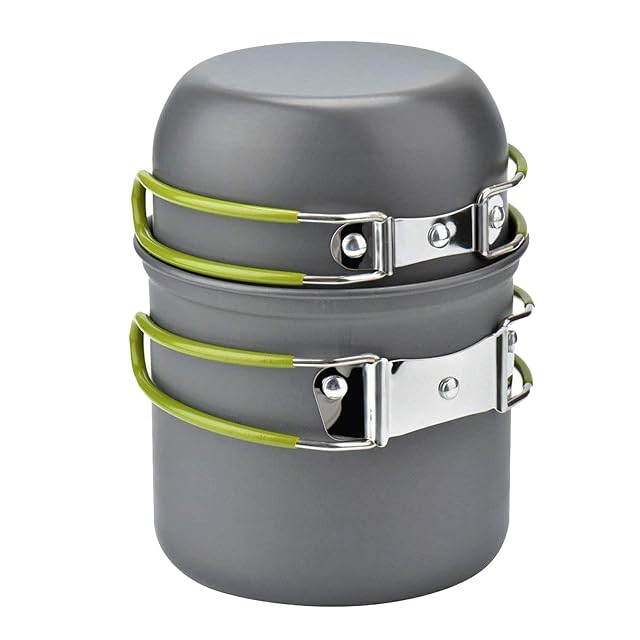
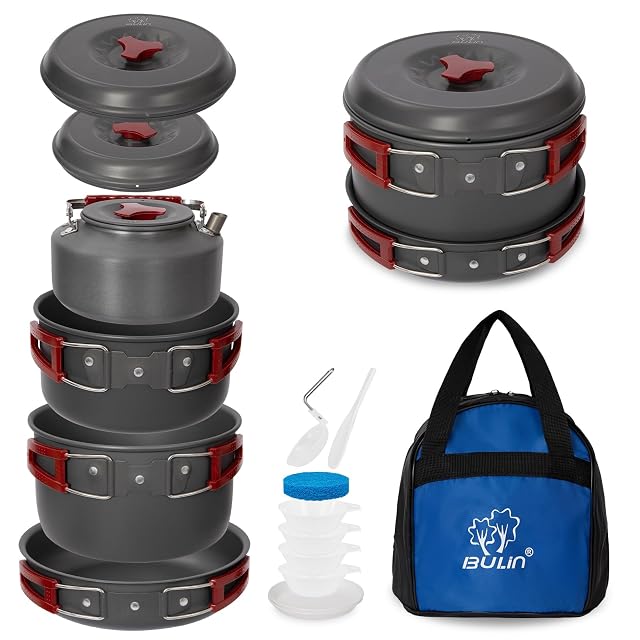
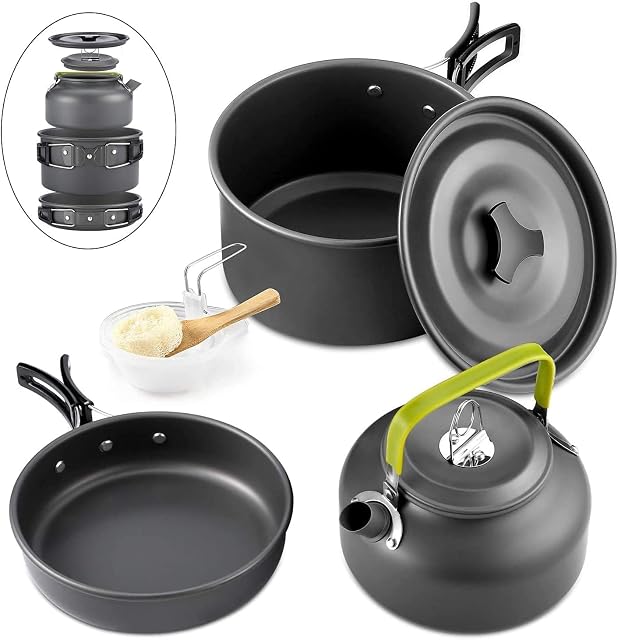
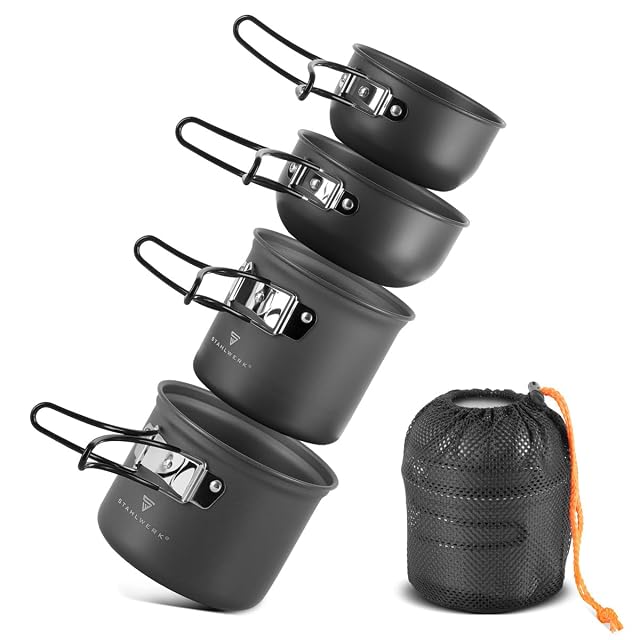
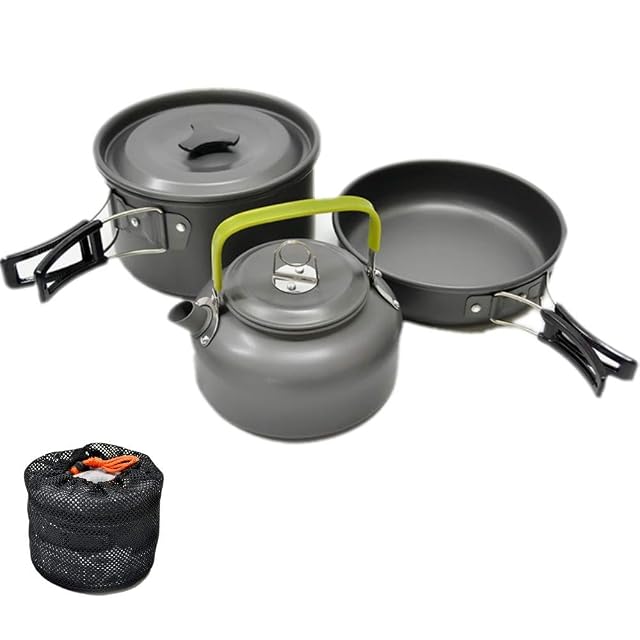
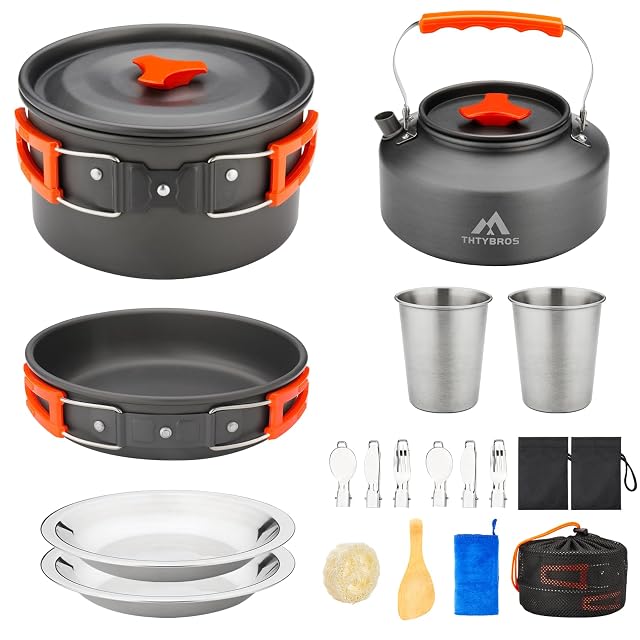
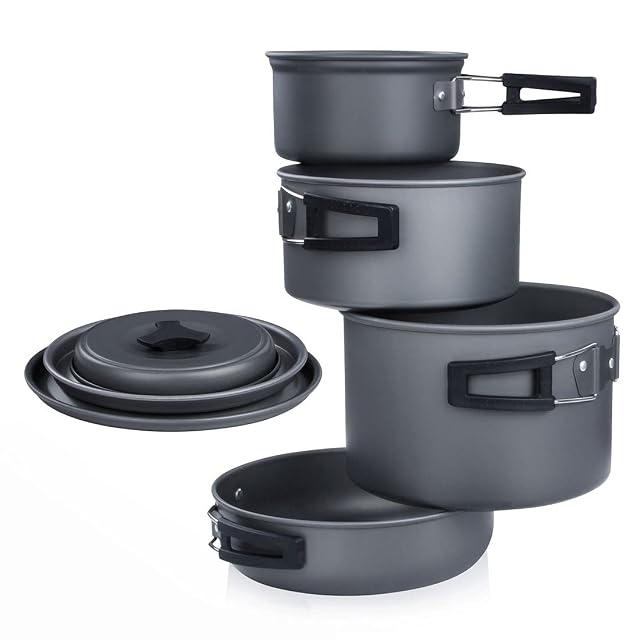
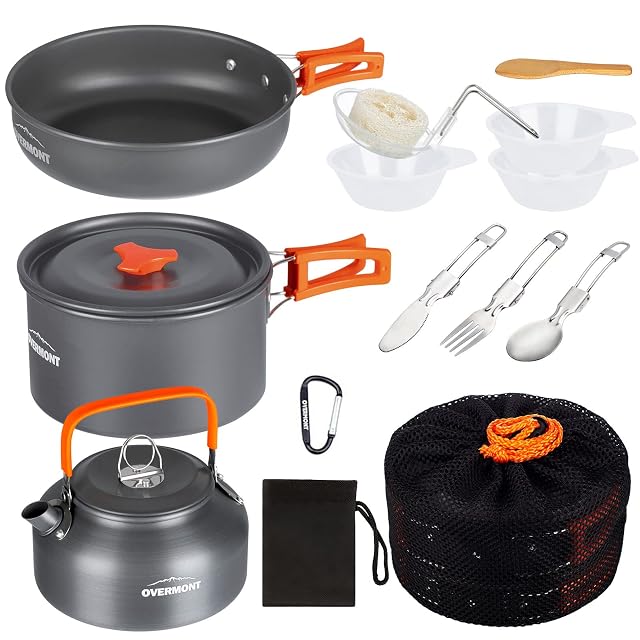
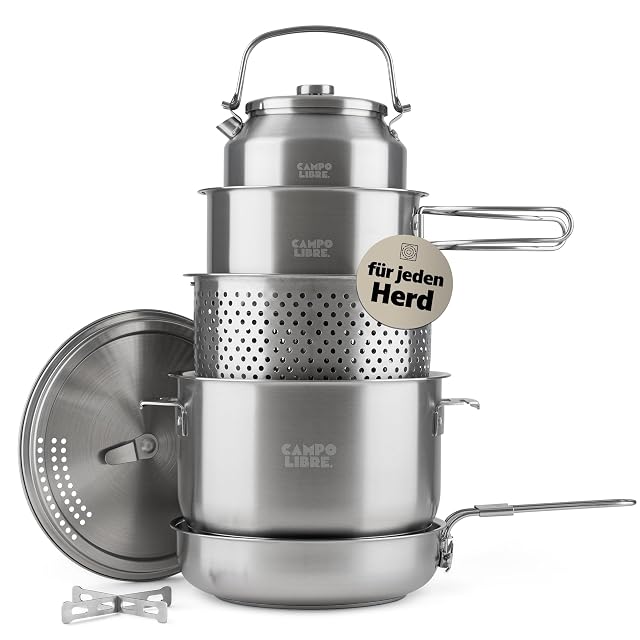
Camp cookware is bought on capacity and lived with on packed size. Start with the litres: a solo pot in the region of eight hundred millilitres to a litre boils enough for one dehydrated meal and a drink, and two people need roughly double rather than the same pot used twice. Then read the nested dimensions and, specifically, whether a gas canister and a burner fit inside the pot, because that is what decides the volume it occupies in the pack. Material sets the rest. Titanium is the lightest and the thinnest, heats fast and unevenly, and scorches anything that is not simply boiled. Hard-anodised aluminium spreads heat far better and weighs more. Stainless steel is heaviest, takes abuse and tolerates a scourer. Wall thickness matters as much as the metal named. After that, the details that decide whether a set is a pleasure or a nuisance: folding or detachable handles and whether they are insulated, a lid with strainer holes, a non-stick coating and what the maker says about utensils, and a heat exchanger base, which shortens boil times and adds weight and bulk. We compare capacity in litres, material and wall thickness, nested packed size and weight, handle and lid design, coating and heat exchanger base.