The emptying arrangement decides the toilet, not the seat height
The best camping toilets for 2026
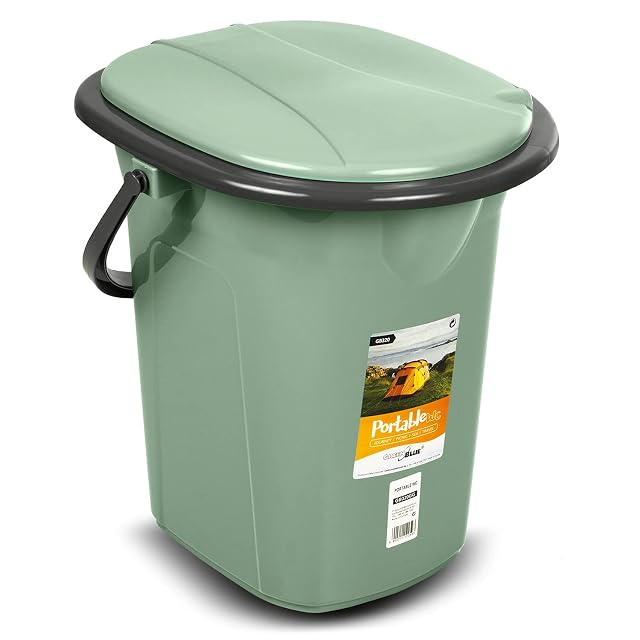
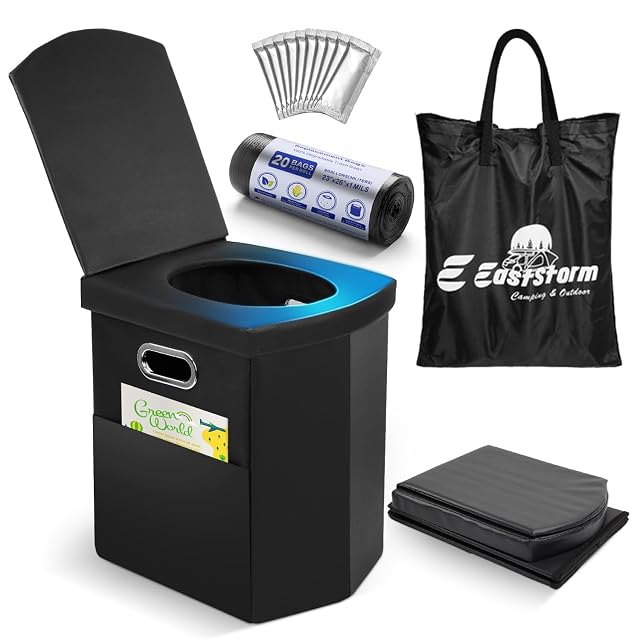
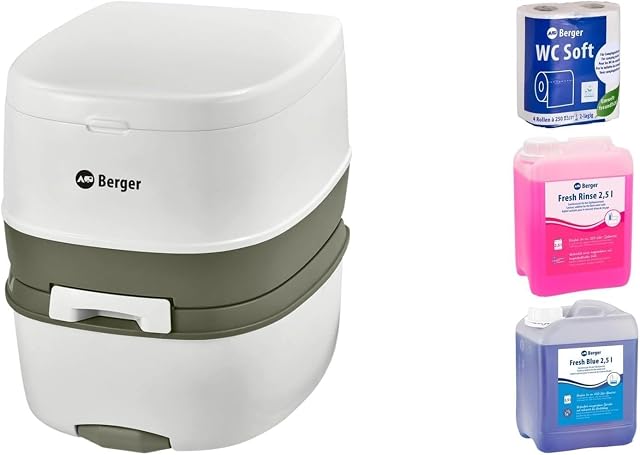
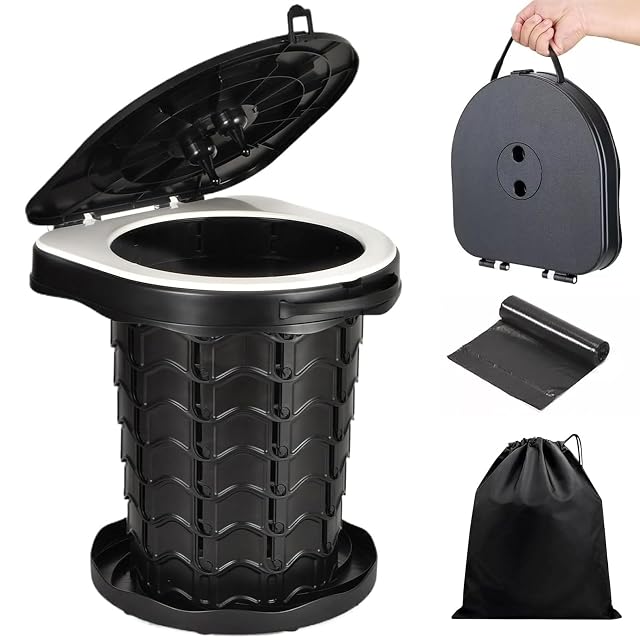
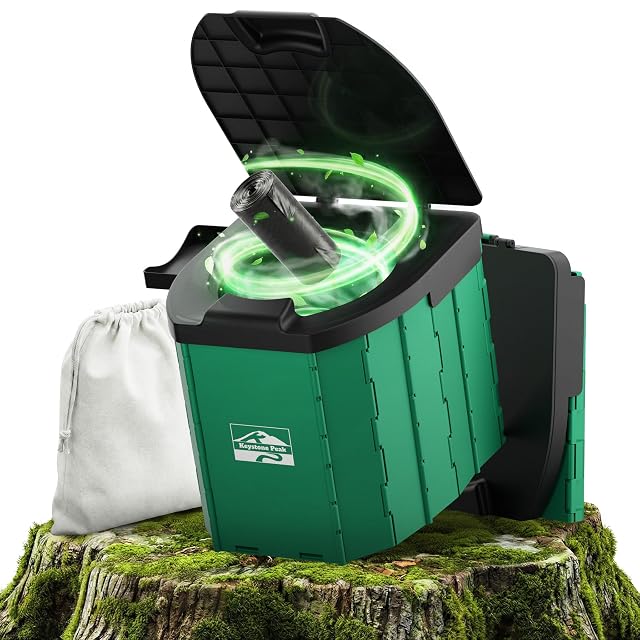
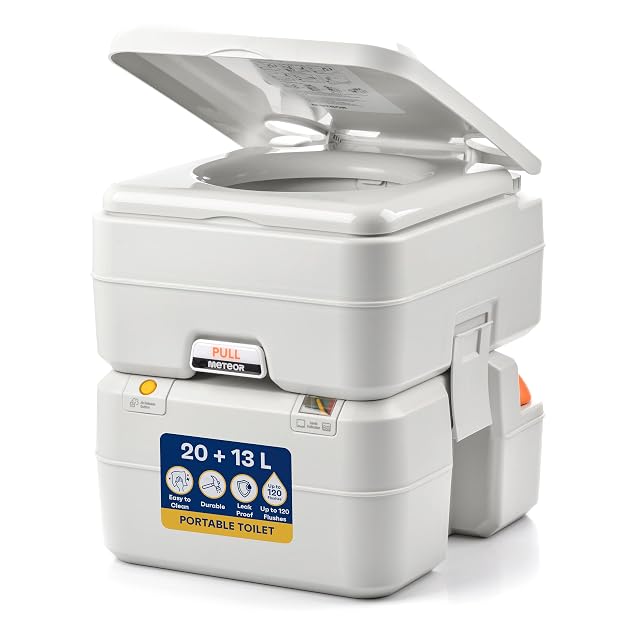
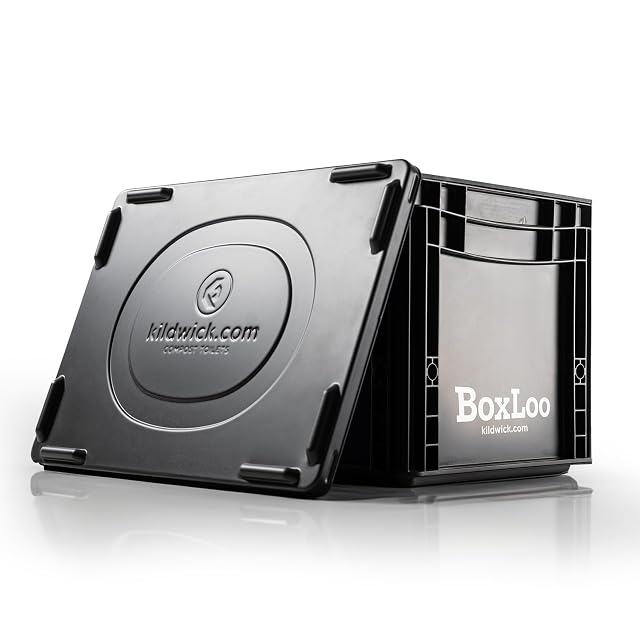
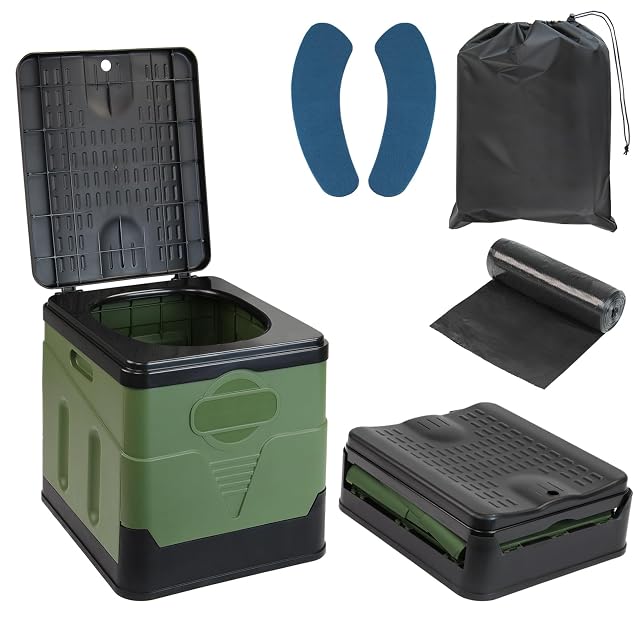
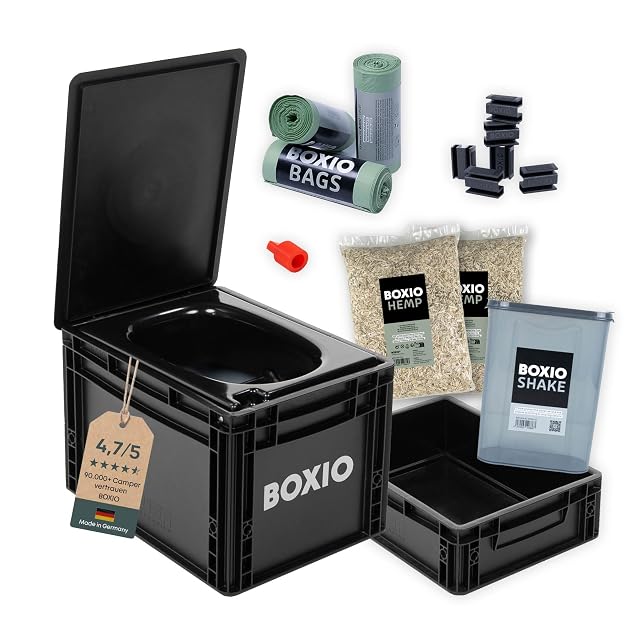
Portable toilets come in three arrangements, and the choice is really about what happens afterwards rather than about the seat. A bucket and liner system is a seat over a rigid pail with a bagged insert: light, cheap, no plumbing, and entirely dependent on the bags and on having somewhere to put them. A flush model carries two tanks — a fresh water tank and a waste holding tank, both quoted in litres — separated by a blade valve; it is the most familiar to use and the heaviest to carry to an emptying point. A separating design keeps liquid and solid in two containers, which is why it stays odourless without chemicals, and it asks the user to understand it. Once the type is settled, the numbers are ordinary furniture numbers. Seat height decides comfort and whether standing up is easy. The stated load rating is published for the seat and lid assembly. Waste tank capacity in litres sets how often it has to be carried, and a full tank is heavier than any listing photograph suggests. Look also for a level indicator, a vent button that stops a pressurised tank spitting, and a valve seal the maker sells as a spare part. Disposal is not an equipment question: emptying points and what may go into them are set by the site and by local rules. We compare toilet type, fresh and waste tank capacity in litres, seat height, stated load rating, valve and seal arrangement, packed dimensions, and empty weight.