Lock type and packed length matter more than the shaft material
The best trekking poles for 2026
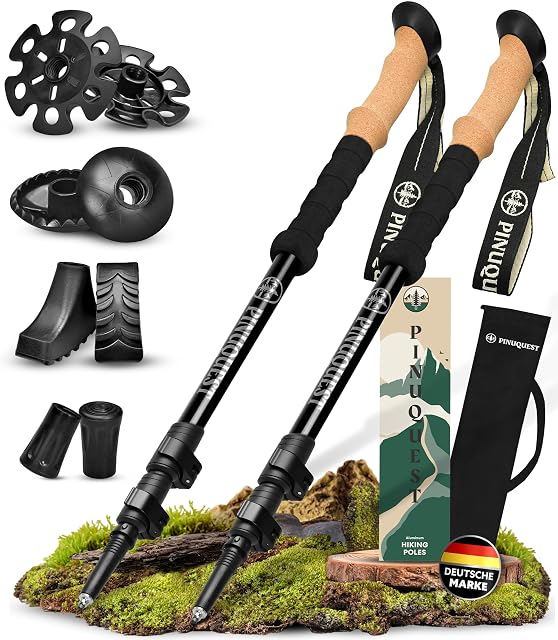
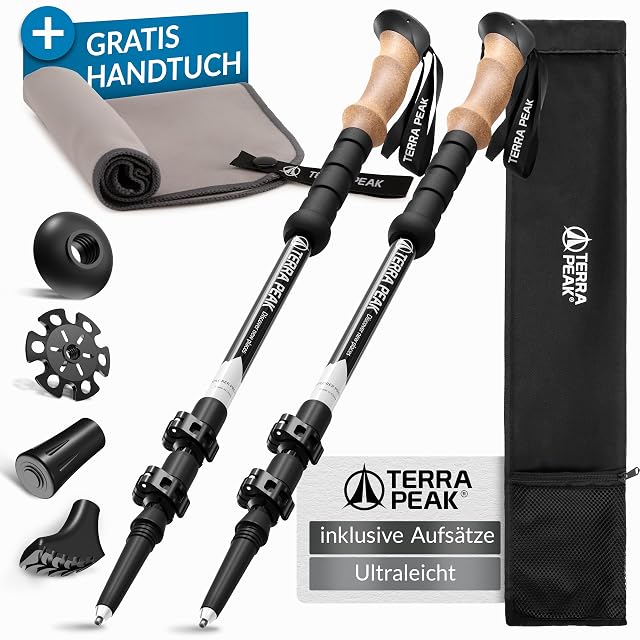
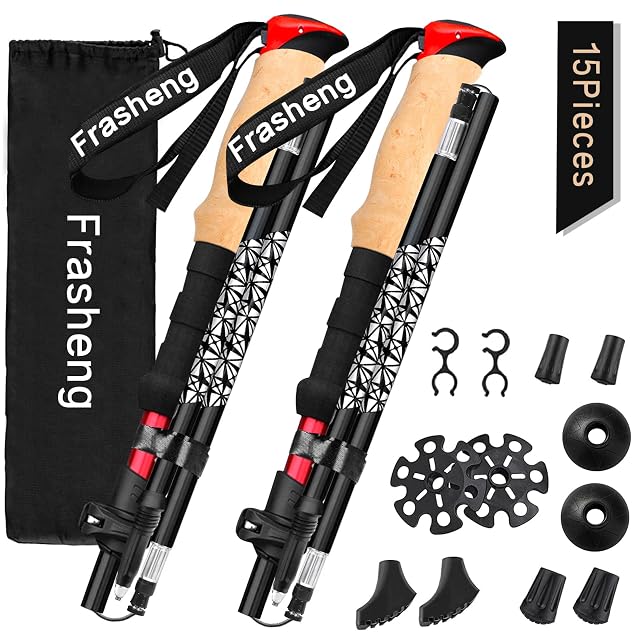
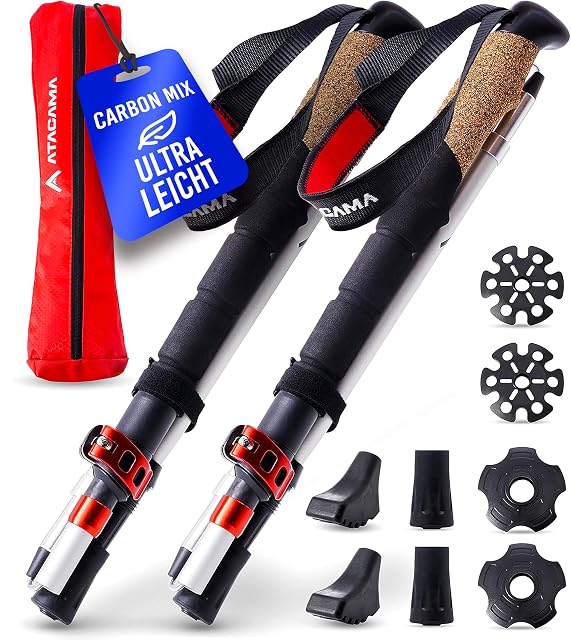
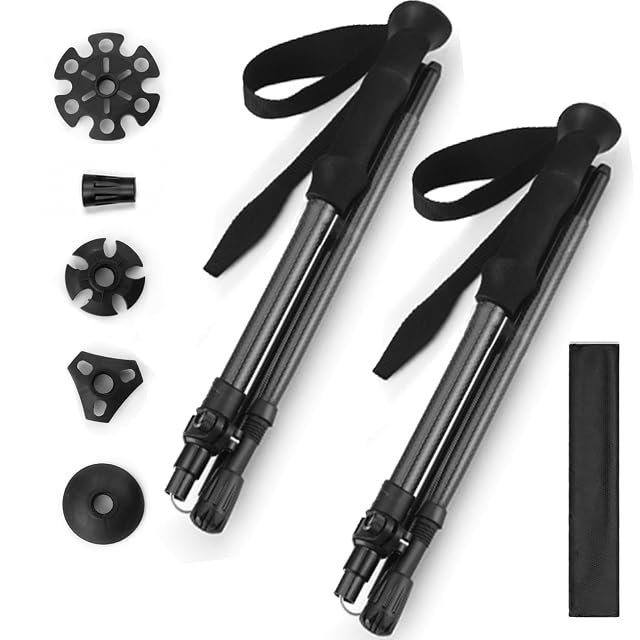
Poles are argued about in terms of carbon against aluminium, and bought or regretted on the locking mechanism. External lever locks are adjusted with a screw, can be tightened in the field with cold hands, and are what most walkers should look for. Twist locks disappear inside the shaft and are the usual source of a pole that slowly collapses under load. Z-fold poles use an internal cord and a push-button, pack shortest, and adjust over the smallest range. That leads to the second figure: packed length, which decides whether the poles travel on the outside of a pack or inside a suitcase, set against the stated maximum length, which has to suit your height and the descent. On material, an aluminium alloy shaft bends before it fails and can often be straightened; carbon is lighter and stiffer and fails suddenly, and it dislikes being levered sideways between rocks. Then the details that decide comfort: grip material — cork, EVA foam or rubber — the presence of an extended grip below the head for traversing, strap adjustment, and the tip and basket fittings, since baskets are consumable and a proprietary fitting is one you will hunt for. We compare lock mechanism, packed and maximum length, shaft material and section count, weight per pole, grip material and tip and basket fittings.