Insulation thickness and lid discipline, not the litre figure
The best camping cool boxes for 2026
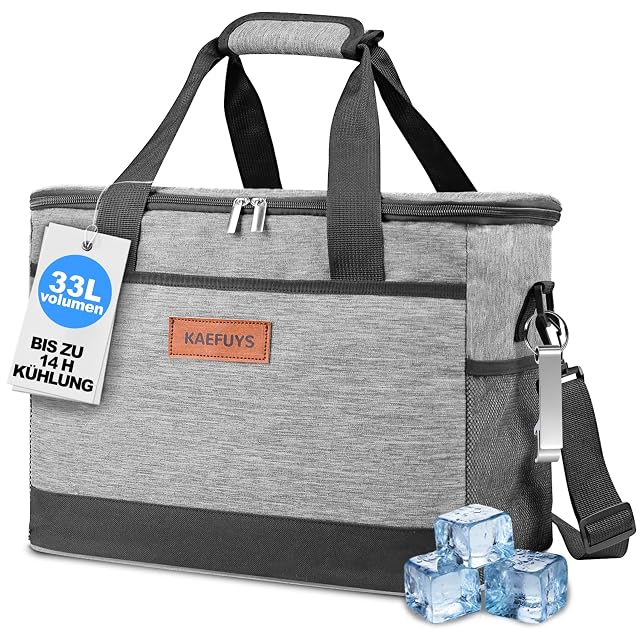
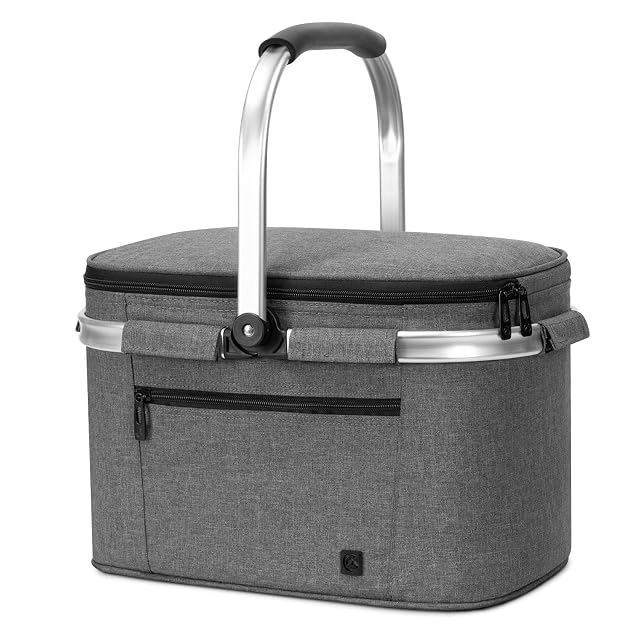
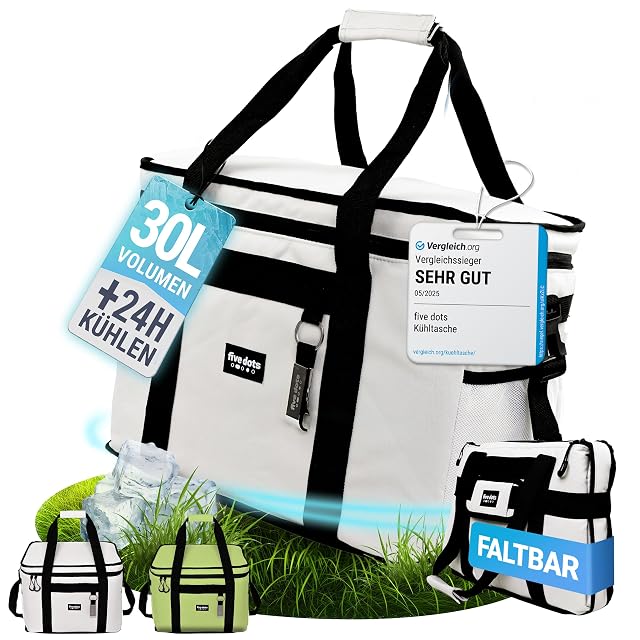
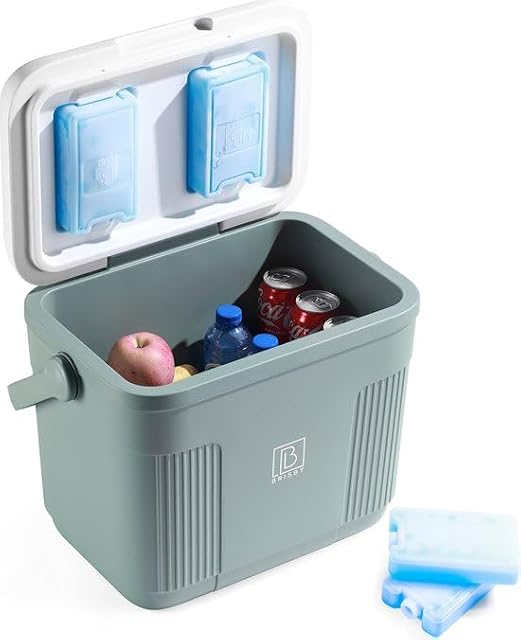
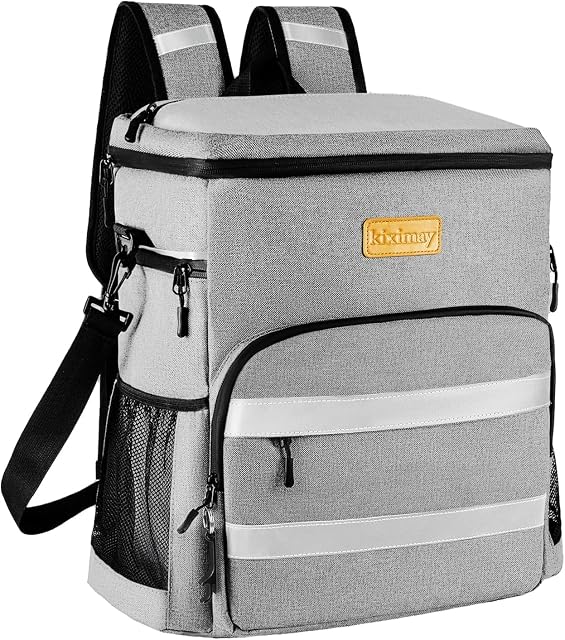
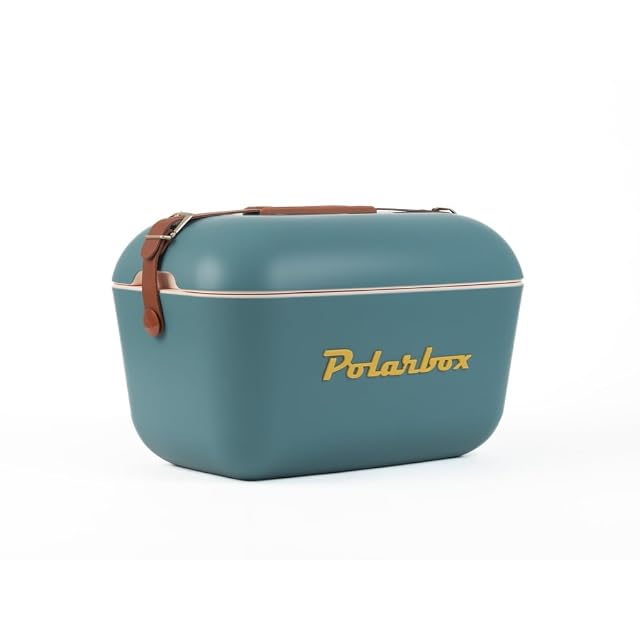
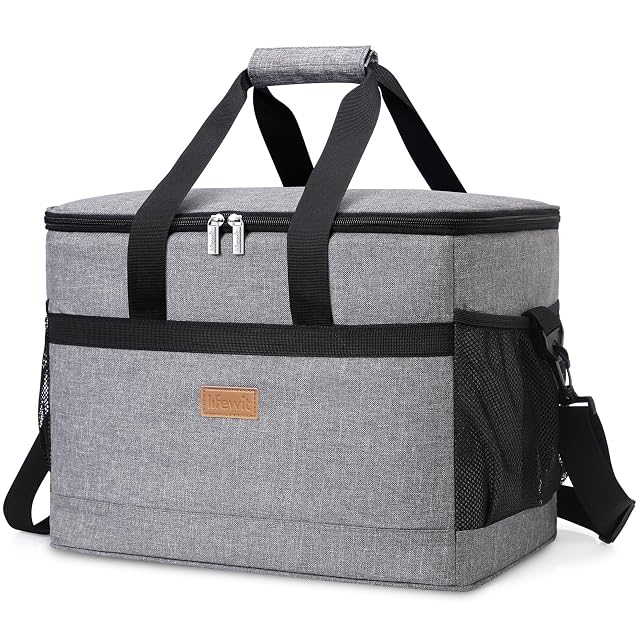
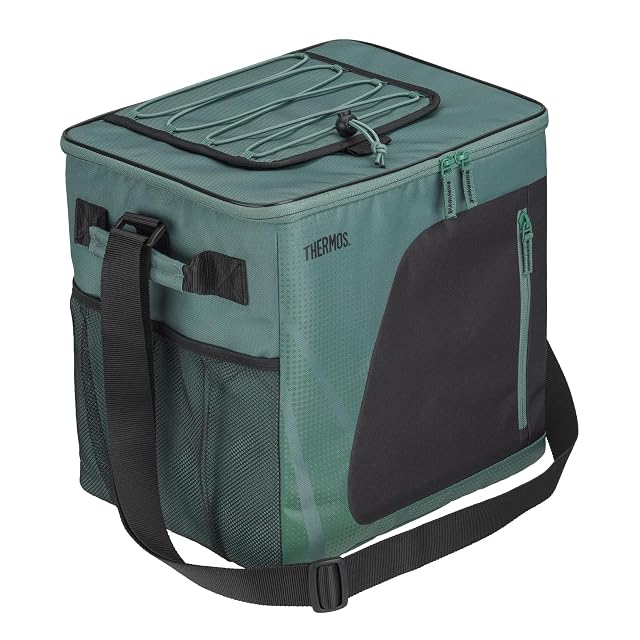
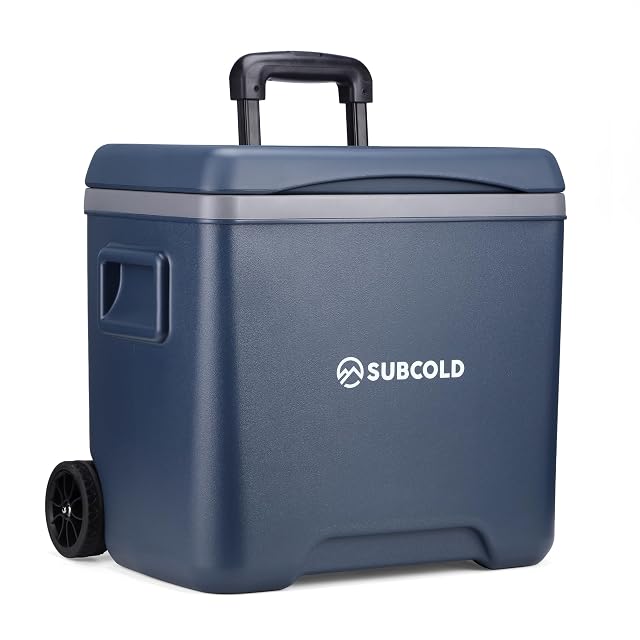
This site covers cool boxes that carry their own cold — rigid passive boxes and soft insulated bags — and not the powered ones. A compressor or thermoelectric box is wired to a vehicle battery: it is an appliance of the car rather than of the camp, it is heavy, and its model numbers change from one country to the next. What is left is decided by three things and almost never by the headline litres. Insulation type and thickness comes first: a rigid box with thick foam walls and a rigid soft bag with a thin foil liner both quote a capacity, and they are not the same product. Second, the ice retention figure makers publish in hours or days — always measured with their own fill ratio, their own ambient temperature and a lid that stays shut. Read those conditions or the number means nothing, and treat a figure quoted without them as unquoted. Third, the seal: a zip, a roll-top or a gasketed lid, and whether it is the part that fails first. Capacity is quoted in litres, and a litre of stated volume is not a litre of bottles — check the internal depth against the tallest thing you carry, because a box that will not stand a 1.5 litre bottle upright wastes the space it claims. Then the details that decide the trip: a drain you can reach, a liner that wipes out, carry handles or a strap that survive being full, and the empty weight before any ice goes in. We compare box type, stated capacity in litres, insulation type and thickness, published ice retention with its stated conditions, closure and seal type, drain, carry arrangement, and empty weight.