A first trekking tent is not usually chosen badly. It is chosen on a number that was never defined, and the disappointment arrives later, on the first wet night or the first time it has to go inside a pack that is already full.
Three published figures decide it, and each one has a companion word that most listings leave off.
The weight on the title, and what the maker counted
Every tent on this page except one publishes a weight, and every one of those is published bare. The ATEPA states 1.9 kg in its title. Clostnature states 1.9 kg as the tent’s weight. Foumteex states 1.9 kg for the packed storage bag. A single kilogramme figure with nothing attached to it is the convention of this shelf, and it says nothing about whether pegs, guylines and a stuff sack are inside the count.
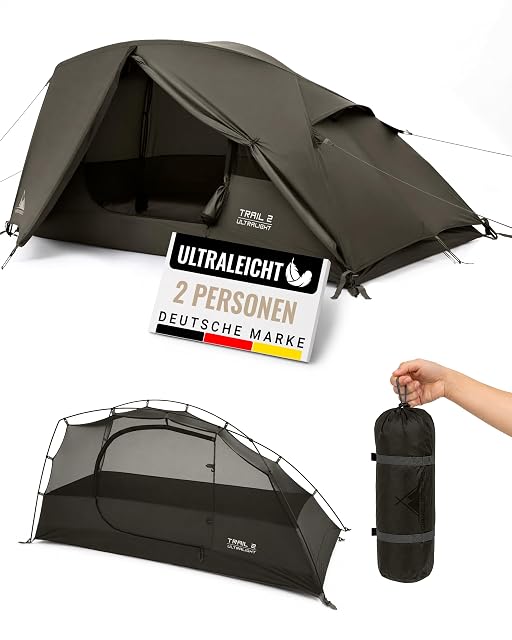
The WANDERFALKE is the exception, and it is the reason it opens this list: it publishes 2.0 kg as a total weight, in as many words. That is a heavier headline than the ATEPA’s 1.9 kg and a more useful one, because the two figures are not measuring the same object. A canopy-only weight and a full-bag weight can sit a few hundred grams apart, which is the whole margin a first-time buyer is shopping on.
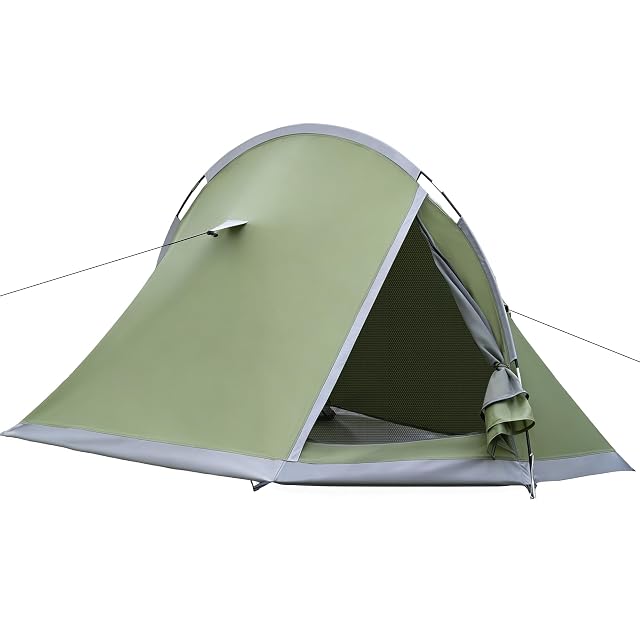
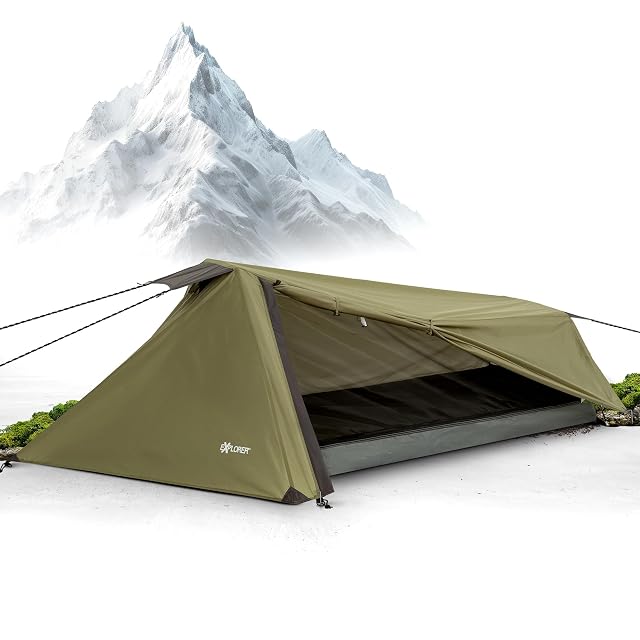
The EXPLORER publishes 1.5 kg, the lowest figure on this page, and does not say whether pegs and guylines are counted — which matters more here than anywhere else, because that tent needs them.
Two water columns, and the one under your hip
A flysheet water column describes rain falling on the tent. A groundsheet water column describes water being pushed back up through the floor by the weight of a knee or a hip on ground that has already taken a day of rain. They are separate figures and they fail in separate ways.
The WANDERFALKE publishes both: 4000 mm for the outer, 5000 mm for the floor, with welded seams and corners. Nothing else on this page does.
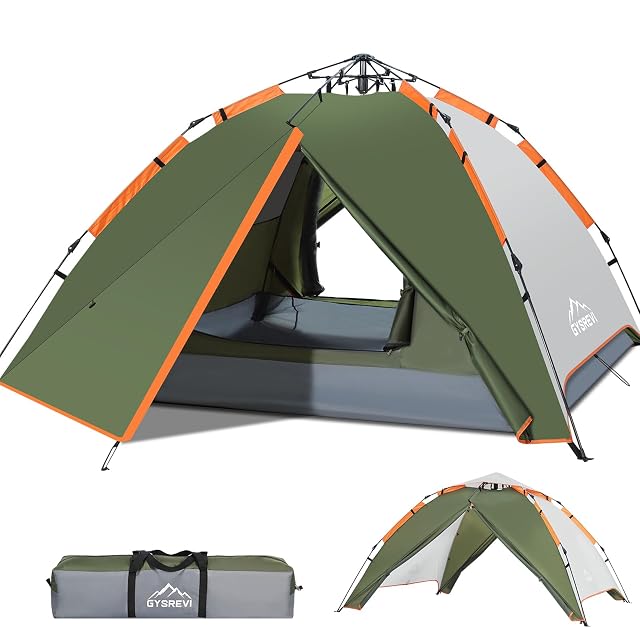
Clostnature publishes the other half — a PU 5000 coating on the bathtub floor, and no flysheet figure. The EXPLORER publishes 3000 mm with taped seams, and its floor is described as PE with no figure beside it. The ATEPA publishes 4000 mm and above for the fabric’s rain resistance without attaching it to the flysheet specifically, and Foumteex publishes 4000 mm for the polyurethane coating in the same unattached way. The Gysrevi publishes up to 3000 mm for what its listing calls the Zeltgrundgewebe, a word that reads either as the ground fabric or as the base fabric, and the listing does not settle which.
Read the pattern rather than the individual numbers: one figure published without saying which layer it belongs to is a fabric claim, not a floor claim.
Whether it will stand where you want to stand it
Freestanding is the specification that costs nothing on a mown campsite and everything on a gravel bar, a wooden platform or ground that has been baked hard.
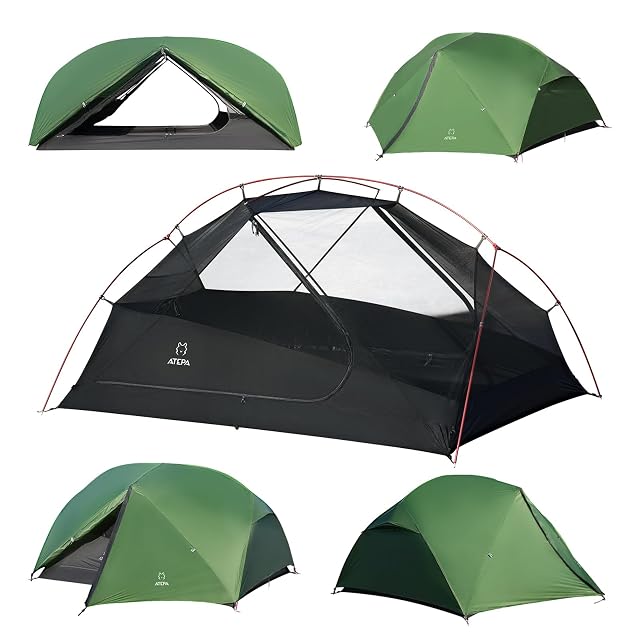
Clostnature states freestanding and supplies fourteen aluminium pegs and four guylines with it. The ATEPA states freestanding and supplies aluminium three-sided stakes. The EXPLORER says the opposite, and says it clearly: the tent stands only when it is guyed out and cannot stand without pegs. That is a listing being honest about a real limit, and it is worth more than four vague adjectives.
Foumteex is described as a dome without saying whether it stands unpegged. The Gysrevi is an automatic pop-up with a stated one-minute pitch and supplied guylines and pegs.
Reading the pitched size as three numbers, not one
Makers on this shelf publish pitched size as a run of three figures and rarely say which is which. The ATEPA gives 210 x 255 x 100 cm and does not say which figure is the length. Clostnature gives 220 x 81 x 91 cm, which reads as a solo tent 220 cm long with 91 cm of peak height. Foumteex gives 270 x 150 x 110 cm as the inner space. Gysrevi gives 220 x 220 x 145 cm pitched, which is a square footprint and the tallest peak on this page.
Two of the six do not publish a pitched size at all, and the Forceatt listing elsewhere on this site begins its inner floor dimensions as “225 x” and stops mid-sentence.
If you are tall, the length figure is the one to find before ordering, and if the listing does not publish it, the hub page for the family will say so rather than guess.
The materials, where they are named
Fabric denier is published on three of these. The ATEPA states 20D nylon with a silicone coating. The WANDERFALKE states 20D ripstop nylon for the outer and 40D nylon for the floor, which is the sensible pairing: a thinner canopy over a thicker floor. Foumteex names no denier at all.
Poles split the same way. The ATEPA names 7001 aluminium alloy as a single integrated pole. WANDERFALKE and Clostnature both state aluminium without naming a grade. The EXPLORER states fibreglass, with Dyneema guylines and Clamcleat tensioners, which is a heavier and cheaper pole material and an honest one to publish.
Where each of these tents lands
The WANDERFALKE is here first because it publishes the full weatherproofing picture and labels its weight. Two kilogrammes is the price of knowing.
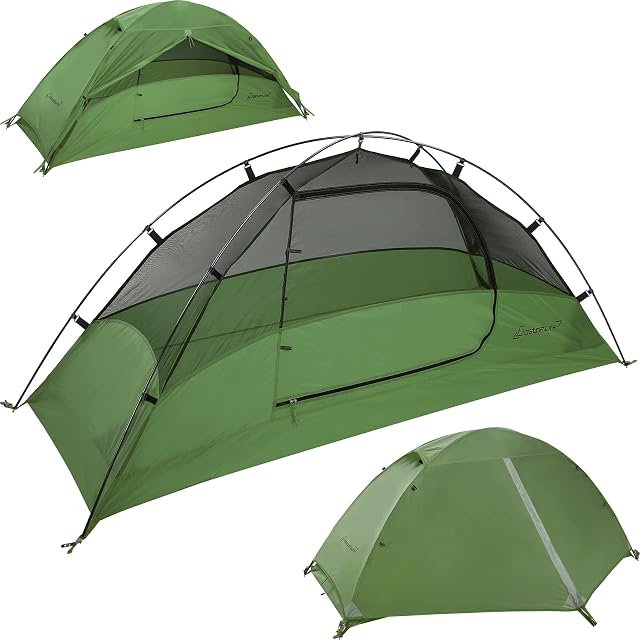
Clostnature is the solo pitch with a floor figure and a vestibule, and the pegs and guylines are in the box.
The ATEPA is for two people who camp where pegs may not bite, and it names its pole alloy.
Foumteex publishes an inner length and a packed size of 43 x 14 x 14 cm, which is the pair of numbers most first buyers actually need.
The EXPLORER is the bike and motorcycle tent: 1.5 kg into a small roll, on ground soft enough to take pegs.
The Gysrevi trades pack size for a one-minute pitch, and 82 cm folded is either irrelevant or disqualifying depending on whether a car is involved.
What none of them publishes
Not one of these listings gives a trail weight beside its packed weight, so the difference between what stands the tent up and what comes in the bag is unknowable before it arrives. Season ratings appear as phrases — three-season, three to four season — with no standard behind them, and they should be read as a description of intent rather than a measurement.
Weigh the tent yourself when it arrives, on kitchen scales, with everything you actually intend to carry in the bag. That figure is the only one that will be true of your tent.