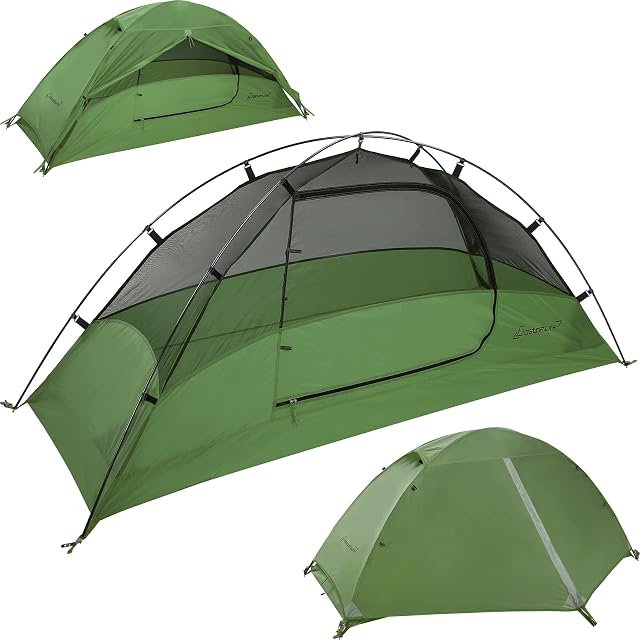
A solo trekking tent and the groundsheet cut for it, both documented from the floor up
A tent and its matching sheet
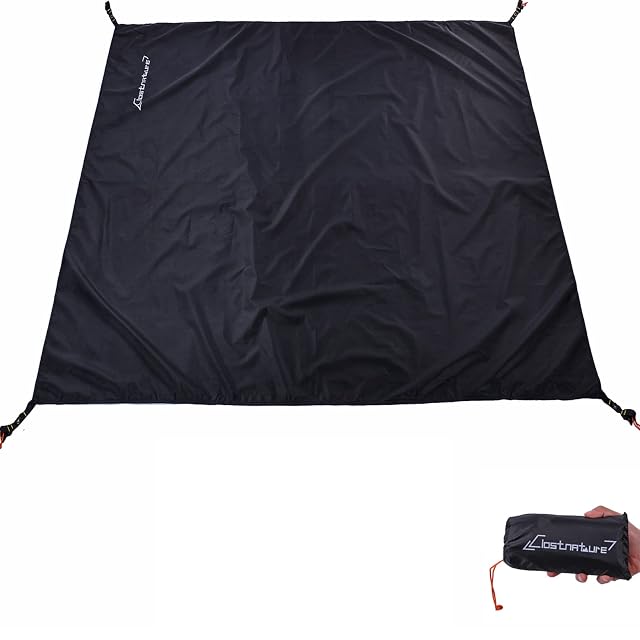
What sits under this badge is a matched pair: a freestanding one-person tent, and a 220 by 150 cm polyester footprint that names that tent as what it is cut for. Buying a groundsheet by tent name rather than by arithmetic is the whole point of a matched pair, and it is the part of this range that works best.
The floor gets the attention
The usual omission on a tent listing is the groundsheet figure. Clostnature reverses it. The tent publishes a PU 5000 coating for its bathtub floor — the number that decides a night on saturated ground — and publishes no water column at all for the flysheet. The footprint publishes PU 3000 for itself, written as part of the coating name rather than attributed to a tested water column, along with a 280 g weight and a 20 by 6 by 6 cm rolled size. Read together, the pair tells you a great deal about what happens underneath you and nothing about what happens overhead.
The rest of the tent sheet
What the tent does publish is generous by the standards of its shelf: a 220 by 81 by 91 cm sleeping box, a 38 by 13 by 13 cm packed size, a stated 1.9 kg, freestanding construction on two aluminium poles, and a full contents list down to the pole repair sleeve. The 1.9 kg carries no label, so whether fourteen pegs, four guylines and that repair sleeve are inside the figure is open. No denier is given for either fabric, which means the weight cannot be read against how thin the cloth is.
Before ordering the footprint
Two things the footprint page does not say. It gives no attachment points of any kind, so it is a sheet laid under a tent rather than one pegged out with it, and a sheet that is not fixed can gather rain at its edge if it is wider than the floor line. And its fabric is given as 190T polyester, a thread count, which describes how densely the cloth is woven and says nothing about yarn weight — so denier stays Not published on the listing for both halves of the pair.