Skip to content

KEYTYTAR folding carbon poles, 63–125 cm, 169 g per pole vs Alpteq folding carbon poles, 115–135 cm, 35 cm packed, 231 g per pole

Two folding carbon poles, both light enough to forget in a pack lid — so what actually separates them once you read what each maker prints?

Both listings lead with a per-pole weight, and both stop at the same place: neither names the mechanism that holds the sections together. Five of the nine poles in this hub have that gap, and it is the single thing a folding pole lives or dies on, so the line below stays empty on both sides rather than being filled in from a photograph. What is left is a short list of published figures, and they point in different directions — one pole prints how small it goes, the other prints what comes in the bag.

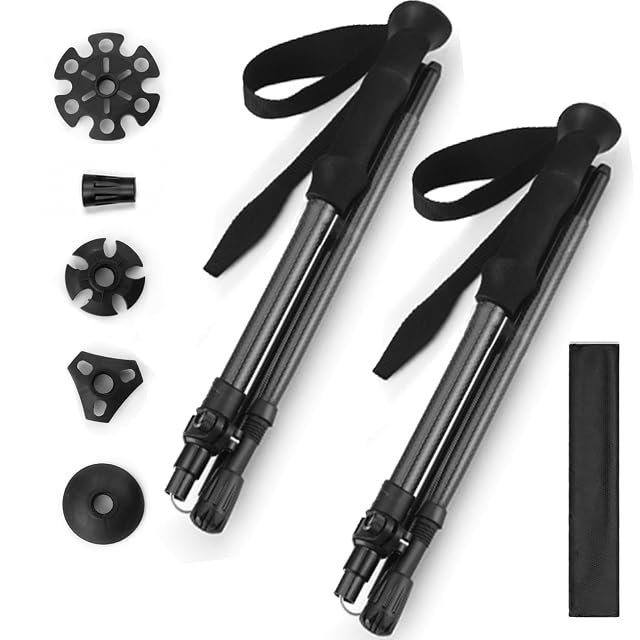
KEYTYTAR ultralight folding carbon trekking poles with EVA foam grips

KEYTYTAR folding carbon poles, 63–125 cm, 169 g per pole

Wins 2 of 9

Check price

≈ 60 €

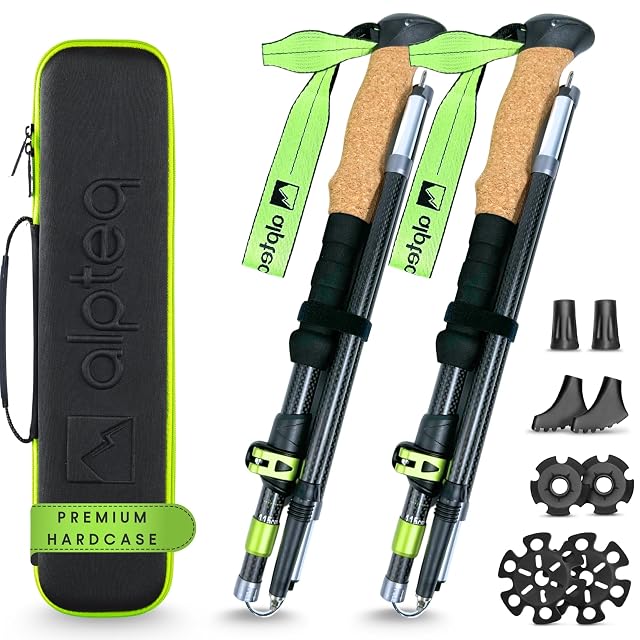
Alpteq folding carbon trekking poles in lime green with cork grips

Alpteq folding carbon poles, 115–135 cm, 35 cm packed, 231 g per pole

Wins 2 of 9

Check price

≈ 59 €

Line by line

Compared on folding carbon poles, 63–125 cm, 169 g per pole folding carbon poles, 115–135 cm, 35 cm packed, 231 g per pole
Lock mechanism Not published Not published
Weight per pole 169 g per pole — stated 231 g per pole — stated
Packed length Not published — stated to fold into a rucksack, with no figure 35 cm folded — stated
Adjustment range 63 to 125 cm — stated 115 to 135 cm — stated
Shaft material Carbon — stated Carbon 3K — stated
Section count Not published Not published
Grip material EVA foam, adjustable wrist straps — stated Natural cork with an EVA extension — stated
Tip fitting Not published Not published — the contents are the poles and a bag
Basket fitting Snow and mud baskets supplied — stated Not published

Each tick belongs to its own line and nothing more. The row of ticks is not a score: the two verdicts underneath settle the page, because these two answer different questions on the trail.

Which one, for whom

Buy the KEYTYTAR folding carbon poles, 63–125 cm, 169 g per pole

The lighter published figure of the two, 169 g per pole against 231 g, and the only one of the pair that lists snow and mud baskets in the box. It adjusts from 63 cm, which is a wider span than the Alpteq offers, and it stops at 125 cm — the lowest maximum in this hub, so check that against the length you already walk with. You are buying an unnamed folding lock either way.

Buy the Alpteq folding carbon poles, 115–135 cm, 35 cm packed, 231 g per pole

The pole to take if packed size decides it: 35 cm folded is published, and the KEYTYTAR listing gives no folded figure at all. It also names its weave, Carbon 3K, and pairs cork with an EVA extension below it. The trade is 62 g more per pole on the published figures and no baskets listed among the contents.

What people ask before buying

Why is the lock line blank on both sides?

Because neither listing names one. A folding pole is held at length by something — a lever, a collar, an internal cord under tension — and both makers describe the poles as quick to deploy without saying what does the holding. Rather than guess from the product photographs, this page leaves the line as both listings left it.

Is 169 g per pole comparable with 231 g per pole?

Both makers state the figure per pole rather than per pair, which is what makes the two readable side by side. Neither says whether the figure includes the straps or the baskets, so treat the 62 g as the distance between two published claims and nothing more.

Does either listing say how long the poles pack down to?

Only the Alpteq, at 35 cm folded. The KEYTYTAR listing says the poles fold compactly into a rucksack or luggage and never gives a number, so there is nothing to compare it against — which is why that line goes to the Alpteq.

The full reviews

Prices in these summaries were read on the dates each review gives. The live figure sits beside every product.