Skip to content

FlexSolar FLC-E6 40 W panel review

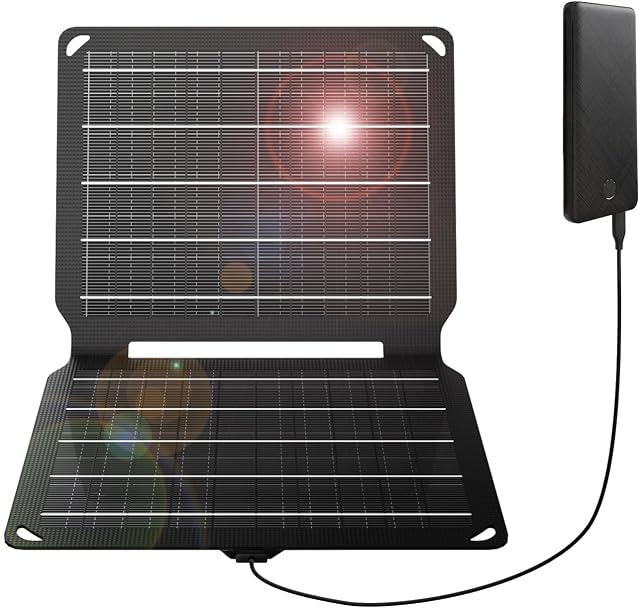
The only panel in this group with three kinds of output and a Power Delivery profile — forty watts through a 19-volt DC port, or eighteen each through USB-C and USB-A.

On the maker’s own page

A 40 W foldable solar panel charger with USB-C, USB-A and DC outputs.

FlexSolar states QC3.0 USB-A and PD2.0 USB-C ports at 18 W maximum each for simultaneous charging of phones, tablets and power banks, with a 19 V DC port at 40 W maximum to power small stations, a smart load distribution design recommending single-port use for peak efficiency, and no energy storage; an integrated IC detecting connected devices with an LED status light and overcurrent, overheating and short-circuit protection; folded dimensions of 8.0 × 11.1 × 1.8 inches at 1.76 lbs (0.8 kg (1.8 lb)); advanced monocrystalline cells at 24 per cent conversion with IP67 dustproof and waterproof construction and ETFE laminate, the junction box stated not fully waterproof and the panel not to be submerged for over 30 minutes; and a package of one panel, two carabiners and a manual, with the advice to position at 45° facing direct sunlight and a note that shade or partial coverage may reduce performance by up to 70 per cent.

No unfolded dimensions. No test conditions. No kickstand.

Forty watts, from one socket

The DC port, and only that one.

The two USB sockets are eighteen watts each. The headline forty belongs to the 19-volt barrel output that feeds a small power station.

Which is this shelf’s buying tip, exactly: confirm the lead in the box matches the input socket on the battery you already own, because a panel and a power station from different makers usually need an adapter neither supplies.

The listing also asks that one port be prioritized at a time — the honest way of saying three sockets share one panel.

PD2.0, at eighteen watts

The only Power Delivery profile in this group.

This shelf’s introduction draws the line: a USB-C socket advertising a Power Delivery profile charges a phone or a laptop directly, while a barrel output is aimed at one power station and needs the right lead.

Eighteen watts is the low end of PD — a laptop usually wants 45 or 65. So this panel charges phones and tablets over USB-C, and power stations over DC.

Seventy per cent

The cost of shade, published.

Partial coverage on a series-wired panel does not cost output in proportion to the area shaded: one shaded cell throttles the string behind it.

That is why the same bullet asks for 45 degrees facing direct sunlight — and why this shelf’s introduction makes the kickstand matter, since the angle you can set is what changes yield through the day.

This panel asks for an angle and supplies nothing to hold it at one.

Thirty minutes

The limit on the IP67.

Not to be submerged for over thirty minutes, and the junction box is not fully waterproof — store it indoors in heavy rain.

Two exclusions on one rating, both published. This shelf’s introduction predicted the second: an ingress rating usually covers the panel face while the junction pocket is rated separately or not at all.

FlexSolar’s instructions carry the ports and the ingress rating. Nothing here replaces them, and nothing on this page describes any product as safe.

Availability

The American Amazon store was listing it at about $57 at the time of writing.

Every figure here is what Keepa held on the day this page was last revised. Offers and prices shift without warning.

Prices quoted in this text were read on October 8, 2026. The live price is at the top of the page.
What it does well, and where it gives way

Strengths

  • The only panel in this group with a DC output, rated at the full 40 W
  • The only one to publish a Power Delivery profile: PD2.0 at up to 18 W
  • Three sockets — QC3.0 USB-A, PD2.0 USB-C and 19 V DC — with a watt figure for each
  • Quantifies the cost of shade: up to 70 per cent loss from partial coverage
  • Publishes the angle to aim for — 45 degrees facing direct sunlight
  • Twenty-four per cent monocrystalline cells under ETFE rather than PET, both named
  • IP67 with the junction box exclusion and a 30-minute immersion limit both stated
  • Smart load distribution with a recommendation to prioritize one port at a time

Compromises

  • No unfolded dimensions, so the area it needs on the ground is unknown
  • No test conditions published for the 40 W figure
  • No kickstand, on a panel that asks to be set at 45 degrees
  • Eighteen watts a socket means a laptop charges slowly or not at all over USB-C
  • The junction box is not fully waterproof and is to be stored indoors in heavy rain
  • Eight hundred grams is the heaviest panel in this group

Specifications

Stated peak output40 W, with the 19 V DC port rated at 40 W maximum
Test conditions statedNot published
Cell typeAdvanced monocrystalline cells with ETFE laminate coating
Stated efficiency24 per cent solar conversion rate
Port setThree: a QC3.0 USB-A and a PD2.0 USB-C at 18 W maximum each, plus a 19 V DC port at 40 W maximum. The only DC output in this group
Power Delivery profilesPD2.0 on the USB-C port at up to 18 W. The only Power Delivery profile published in this group
Controller includedNo. The listing states an instant energy conversion device with no energy storage
Folded dimensions8.0 × 11.1 × 1.8 in
Unfolded dimensionsNot published
Weight1.76 lbs — 0.8 kg (1.8 lb)
IP ratingIP67 with ETFE lamination, with the junction box stated not fully waterproof and the panel not to be submerged for over 30 minutes
Amazon referenceB09H6GGK55
EAN0785249519352

What people ask before buying

Which port gives the forty watts?

The 19 V DC one, and only that one. The two USB sockets are 18 watts each, so the 40 W headline belongs to the barrel output that feeds a small power station — which is the compatibility question this shelf's buying tip is written for: confirm the lead in the box matches the input socket on the battery you already own, because a panel and a power station from different makers usually need an adapter neither one supplies. The listing also recommends prioritizing a single port at a time for peak efficiency, which is the honest way to say the three sockets share one panel.

What does PD2.0 at 18 watts actually charge?

A phone at full speed and a tablet at a reasonable one. This shelf's introduction draws the line: a USB-C socket advertising a Power Delivery profile charges a phone or a laptop directly, while a barrel output is aimed at one power station and needs the right lead. Eighteen watts is the lower end of Power Delivery — a laptop usually wants 45 or 65 — so the useful reading is that this panel charges phones and tablets over USB-C and power stations over DC. It is the only panel in this group with a PD profile at all.

How much does shade cost?

Up to 70 per cent, by the listing’s own figure, and publishing it is rare. Partial coverage on a series-wired panel does not reduce output in proportion to the area shaded: one shaded cell throttles the string behind it. That is why the same bullet asks for 45 degrees facing direct sunlight, and why this shelf's introduction says the kickstand matters — the angle you can set is what actually changes yield through the day. This panel asks for an angle and supplies nothing to hold it at one.

Against the rest of the camping gear

Close prices, same category: comparable camping gear. We keep only the specifications all of them publish, because a column with gaps compares nothing.

Model Price Stated peak outputTest conditions statedCell typeStated efficiency
FlexSolar FLC-E6 40 W panel $57 40 W, with the 19 V DC port rated at 40 W maximumNot publishedAdvanced monocrystalline cells with ETFE laminate coating24 per cent solar conversion rate
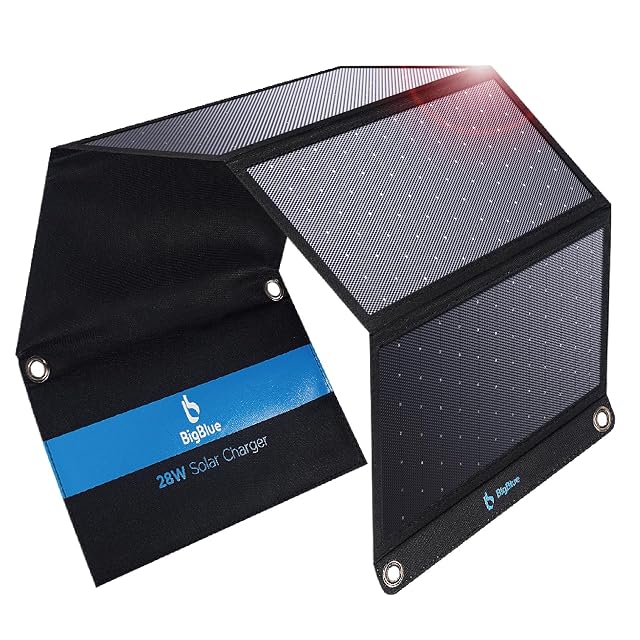
BigBlue BB 401 28 W charger $75 28 WNot publishedAdvanced N-type solar cells on a shadow-free surface with no metal lines on the front panel, stated for superior low-light efficiency25.4 per cent — the highest figure published in this group
FlexSolar E 10 W folding panel $25 10 W maximum under direct sunlightNot published — as on all four panels in this groupHigh-efficiency monocrystalline A+ cells with ETFE film lamination24 per cent energy conversion rate
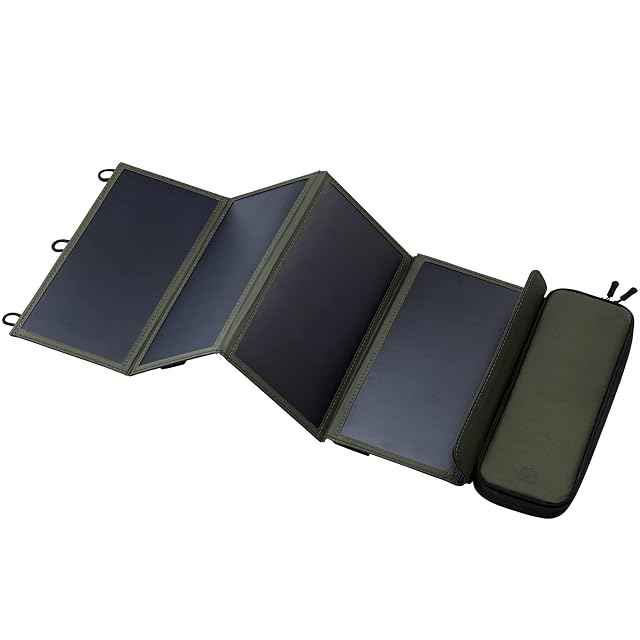
ELECOM NESTOUT 28 W, 4 panels $130 28 W of power generation, across four panelsNot publishedSunPower MAXEON cells, named by maker and seriesNot published as an efficiency. The listing states "up to a 24% increase in efficiency compared to traditional solar cells", which is an increase and not a conversion rate

What separates the models, in camping gear

  • If price decides: FlexSolar E 10 W folding panel, at $25.
  • Highest Stated peak output in the table: this model (40 W, with the 19 V DC port rated at 40 W maximum).
  • This model holds the table’s highest figure for Stated peak output.

The buyer this one serves, among camping gear

A small power station and a phone from the same panel

What buyers actually choose

Amazon reports what buyers took in the month before this page was last checked: at least 500.

The figure is a floor, rounded by Amazon, and read through Keepa — it says what buyers picked, not what a maker claims.

Sources

Specifications: the manufacturer sheet for camping and hiking gear and the matching Amazon product page. Prices and availability: Keepa. Every figure on this page names its source.

What we look at on this camping gear