Skip to content

Energizer PRO-360 review

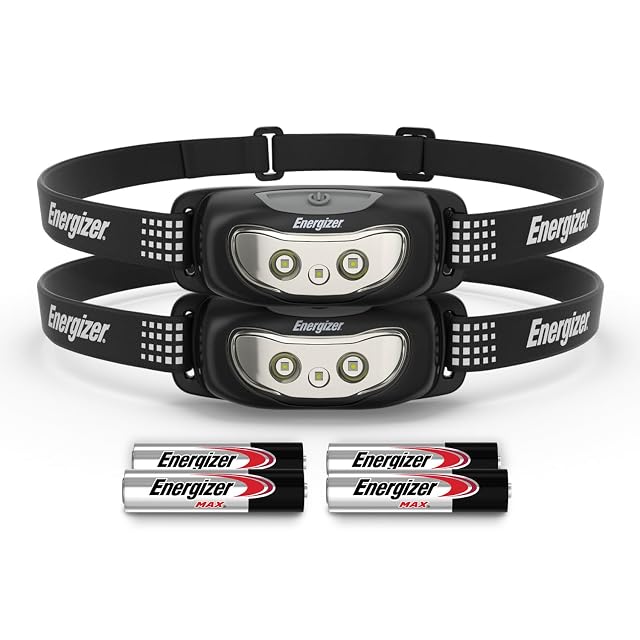
One of only two lamps on this shelf to publish a beam distance — 85 meters (279 ft) beside 360 lumens — with a shatterproof lens, an impact rating and seven modes, for thirteen dollars.

On the maker’s own page

A 360 lumen AAA headlamp with an 85 meter (278.9 ft) beam, IPX4.

Energizer states hands-free light with three MAX AAA batteries included; VisionGuard technology, described as gradually increasing light intensity to protect vision; multiple modes — high, low, wide, wide low, green, and red or flashing; IPX4 water resistance with impact resistance up to one meter and a shatterproof lens; and, in the maker’s description, 360 lumens on high with an 85 meter beam distance.

No runtime. No weight. No lock mode. No standard quoted.

Two of the three figures

Lumens and meters, without the hours.

This shelf’s introduction sets out the ANSI/PLATO FL1 convention: lumens, beam distance and runtime, published together, with runtime defined as the point at which output has fallen to a tenth of its initial value.

This listing gives the first two. Only one other American lamp on this shelf gives a beam distance at all, and it is the other Energizer in this group.

VisionGuard is a ramp, not regulation

A soft start, which is a different subject.

Gradually increasing light intensity protects dark-adapted eyes at switch-on.

What this shelf’s introduction asks about is the other end of the discharge: whether output is held at a level and then drops, or fades from the first minute. No lamp on this shelf answers that, and a ramp at the start is not an answer to it.

A meter of drop, and a lens that does not shatter

The claim most likely to be tested.

Impact resistance to one meter is about the height a headlamp falls from when it leaves a head or a tent pocket.

For a glovebox or an emergency drawer — the uses this page names — it is a more useful promise than a lumen figure.

Availability

The American Amazon store was listing it at about $13 at the time of writing.

Every figure here is what Keepa held on the day this page was last revised. Offers and prices shift without warning.

Prices quoted in this text were read on October 8, 2026. The live price is at the top of the page.
What it does well, and where it gives way

Strengths

  • Eighty-five meters published beside 360 lumens, which almost nothing on this shelf does
  • Impact resistant to one meter, with a shatterproof lens stated
  • Three AAA cells supplied, and revivable anywhere
  • Seven modes including a wide beam, a wide low, green, red and flashing red
  • IPX4 stated in the title rather than buried
  • Thirteen dollars, the lowest price in this group

Compromises

  • No runtime at any setting, on an AAA lamp where cells are the whole budget
  • No weight published
  • No lock mode
  • VisionGuard describes a ramp at switch-on, not whether output is held
  • No measurement standard, so the 360 lumens and 85 meters (279 ft) are the maker’s own
  • Three of the ten figures this shelf compares are absent

Specifications

Stated lumens360 lm on high — stated in the maker’s description. Modest beside the headline claims on the European side of this shelf, and published with a beam distance beside it, which almost nothing here does
Beam distance85 m (279 ft) — stated. One of only two beam distances published by an American listing on this shelf, both of them Energizer; on the European side the figures run from 10 m (33 ft) to a claimed 300–500 m (984 to 1640 ft)
RuntimeNot published at any setting. Three AAA cells are supplied and no hours are given for high, low, wide or wide low
Standard quotedNot published — no measurement convention is named. With a lumen figure and a beam distance published and no runtime, the listing gives two of the three figures that ANSI/PLATO FL1 asks for together
Regulated outputNot published as such. The listing states VisionGuard technology, described as gradually increasing light intensity to protect vision — which is a ramp at switch-on rather than a statement about holding output over a discharge
Battery typeThree AAA cells, supplied. AAA-compatible, which this shelf's introduction names as the battery that can be revived anywhere
IP ratingIPX4 — stated in the title, which is splashing water from any direction with no separate dust test
WeightNot published on the listing. The only figure available is a parcel weight
Lock modeNot published
Red modeRed and flashing red, plus green — stated among seven modes with high, low, wide and wide low. Two of the eight American lamps in this group offer green
Amazon referenceB083JV9DB9
EAN0039800137425

What people ask before buying

How far does 85 meters (279 ft) get me?

Far enough to pick a path and read a waymark, and not far enough to light a hillside — and the useful thing is that the number exists at all. Only two American listings on this shelf publish a beam distance, and both are Energizer; on the European side the figures range from an honest 10 m (33 ft) on an AAA lamp to a claimed 300 to 500 m (984 to 1640 ft). This shelf's introduction explains why the pairing matters: lumens, beam distance and runtime are meant to be read as a set under ANSI/PLATO FL1, because a wide flood and a narrow throw can quote the same lumens and reach very different distances. This listing gives two of the three.

What is VisionGuard?

The listing describes it as gradually increasing light intensity to protect vision — in other words a soft ramp when the lamp comes on, rather than full output straight into dark-adapted eyes. It is a comfort feature and it is not the same thing as regulation. This shelf's introduction defines the distinction that matters over a long walk: a regulated lamp holds a level output and then drops, while an unregulated one dims steadily from the first minute. No lamp on this shelf states which it is, including this one.

Why does the drop rating matter on a headlamp?

Because the lens is what breaks. This listing states impact resistance to one meter and a shatterproof lens, which is roughly the height a headlamp falls from when it comes off a head or a tent pocket, and it is one of only two lamps in this group to publish any impact figure. For a car kit or an emergency drawer — the uses the page names — that is a more honest claim than a lumen number, because the lamp is more likely to be dropped in ten years than to be run flat.

Against the rest of the camping gear

Close prices, same category: comparable camping gear. We keep only the specifications all of them publish, because a column with gaps compares nothing.

Model Price Stated lumensBeam distanceRuntimeStandard quoted
Energizer PRO-360 $13 360 lm on high — stated in the maker’s description. Modest beside the headline claims on the European side of this shelf, and published with a beam distance beside it, which almost nothing here does85 m (279 ft) — stated. One of only two beam distances published by an American listing on this shelf, both of them Energizer; on the European side the figures run from 10 m (33 ft) to a claimed 300–500 m (984 to 1640 ft)Not published at any setting. Three AAA cells are supplied and no hours are given for high, low, wide or wide lowNot published — no measurement convention is named. With a lumen figure and a beam distance published and no runtime, the listing gives two of the three figures that ANSI/PLATO FL1 asks for together
BIAT AWGGYTD01 $14 Not published for either emitter. Two of the eight American listings on this shelf publish no lumen figure, and this is one of themNot published. What is published instead is beam width — 230 degrees, stated for the COB strip, so the viewing area is lit without turning your head. It is the only width figure in this groupNot published at any setting, on a rechargeable lamp whose battery capacity is also unstatedNot published — no measurement convention is named, and with no lumen, distance or runtime figure there is nothing for one to apply to
GearLight GL-LHS500-2P $15 Not published, and the omission is deliberate: the first bullet offers practical brightness for close- and medium-range tasks in place of a figure. Of the seventeen lamps on this shelf, this is the only one that publishes no lumen number at allNot published. Close and medium range are described without a meter figureNot published at any setting. The listing argues the point differently — swap batteries and keep going, with no downtime — which is an argument about resupply rather than hoursNot published — no measurement convention is named, and with no lumen, distance or runtime figure there is nothing for a convention to apply to
Energizer E303215400 $17 100 lm on high — stated, with a claim of 12 times brighter than standard LED technology. It is the lowest lumen figure published by any American listing on this shelfPublished twice, and the two do not agree: up to 40 meters (131 ft) in two separate bullets, and up to 4 meters (13 ft) in the maker’s description. A tenfold difference, with nothing on the page reconciling them. It is one of only two American beam distances on this shelf, both of them EnergizerNot published at any setting, on a lamp with only two modes and four AAA cells suppliedNot published — no measurement convention is named. With a lumen figure and a contradicted beam distance and no runtime, the listing publishes one and a half of the three figures ANSI/PLATO FL1 asks for together

What separates the models, in camping gear

  • If price decides: this model, at $13.

The buyer this one serves, among camping gear

A car kit or an emergency drawer where AAA cells and a drop rating matter more than hours

What buyers actually choose

Amazon reports what buyers took in the month before this page was last checked: at least 1,000.

The figure is a floor, rounded by Amazon, and read through Keepa — it says what buyers picked, not what a maker claims.

Sources

Specifications: the manufacturer sheet for camping and hiking gear and the matching Amazon product page. Prices and availability: Keepa. Every figure on this page names its source.

What we look at on this camping gear