Skip to content

JEAOUIA SLP-07 three-season bag review

The cheapest bag in this group and the only one to publish a packed size — with a limit rating whose top end is warmer than its comfort range.

On the maker’s own page

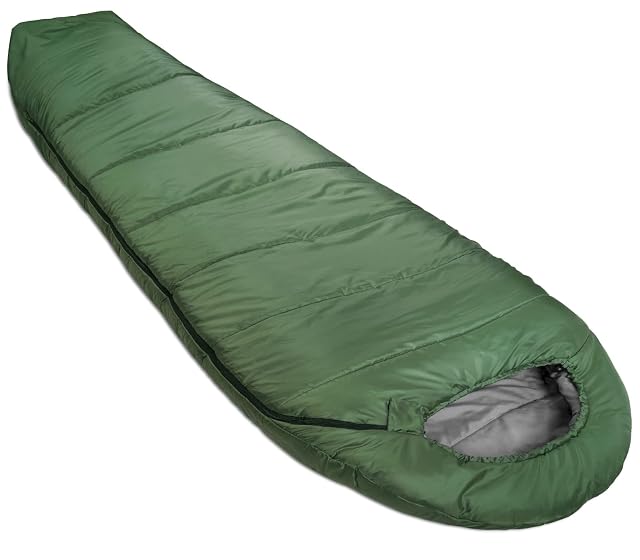
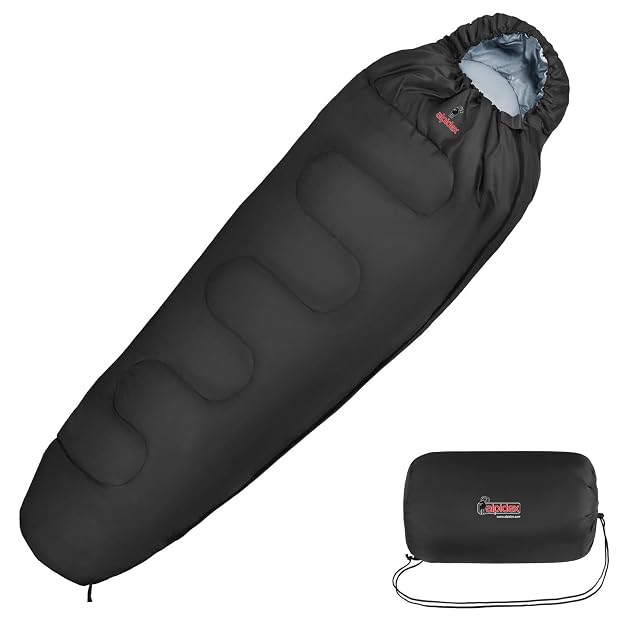
A lightweight waterproof sleeping bag with a compression bag, in navy blue.

JEAOUIA states that it comfortably fits most campers up to 5 feet 11 inches at a size of 31.5 by 86.6 inches, usable in three seasons with a design temperature of 50 °F–68 °F (10 °C–20 °C) and a recommended limit temperature of 41 °F–77 °F; a polyester outer stated waterproof and breathable, a pongee lining and a hollow cotton fill; a drawstring hood and a zip at the foot to let warm or cool air in and out; and a pack weight of 3.3 lbs with a compressed packing size of 7.9”–14.2”.

No standard. No denier. No fill weight. No baffle construction.

A limit that runs warmer than the comfort

The reverse of how the ratings work.

Design temperature: 50 to 68 °F. Recommended limit: 41 to 77 °F.

This shelf’s introduction sets out the arrangement — a comfort figure and a limit figure, with the limit below the comfort, because a limit describes a colder night survived rather than slept through.

Here the limit range straddles the comfort range and ends seventeen degrees warmer than it. Two overlapping ranges are not a comfort rating and a limit rating, and neither is tied to a standard.

Seven point nine to fourteen point two inches

The only packed size on this shelf.

Seven bags. Six of them say “packs down small”, supply a stuff sack or supply a compression sack, and publish no dimension.

This shelf’s introduction lists packed size among the things to compare, and on a bag going into a rucksack it is the figure that decides what else fits.

Fifty degrees, called cold weather

The title against the first bullet.

Fifty to sixty-eight Fahrenheit is ten to twenty Celsius: a summer and shoulder-season bag, and the listing itself says three seasons in the same sentence.

This shelf’s introduction opens on this exactly — two bags described as three-season can be ten degrees apart, because the phrase means nothing and the numbers underneath it mean a great deal.

Polyester, pongee, hollow cotton

All three named, which is unusual here.

The shell, the lining and the fill, each by name. What is still missing is the denier of the shell and the grams of the fill — the seventh and fifth figures on this shelf, and neither is published by any of the seven bags.

JEAOUIA’s instructions carry the washing and the ratings. Nothing here replaces them, and nothing on this page describes any product as safe.

Availability

The American Amazon store was listing it at about $25 at the time of writing.

Every figure here is what Keepa held on the day this page was last revised. Offers and prices shift without warning.

Prices quoted in this text were read on October 8, 2026. The live price is at the top of the page.
What it does well, and where it gives way

Strengths

  • The only bag in this group to publish a packed size
  • Publishes both a weight and a height limit: 3.3 lb, and campers up to 5 ft 11 in
  • Publishes its dimensions, 31.5 by 86.6 inches
  • Names the shell, the lining and the fill — polyester, pongee and hollow cotton
  • A foot zip for letting warm or cool air in and out
  • A drawstring hood
  • The cheapest bag in this group

Compromises

  • Its published limit range runs warmer at the top than its comfort range
  • Both temperature figures are ranges rather than figures, which is not how the ratings this shelf's introduction describes work
  • No standard named beside either figure
  • No shell denier, no fill weight and no baffle construction
  • A design temperature of 50 °F at the bottom is a summer bag, not a three-season one
  • "Cold Weather Sleeping Bag" in the title against a 50 °F design temperature in the first bullet

Specifications

Comfort ratingA design temperature of 50–68 °F — 10 to 20 °C (50 to 68 °F), published as a range rather than a figure
Limit ratingA recommended limit temperature of 41–77 °F. The top of that range is warmer than the top of the comfort range, which is the reverse of how a limit works
Standard quotedNone — as on all seven American bags in this group
Fill powerNot applicable — synthetic fill
Fill weightNot published
Down or syntheticSynthetic: hollow cotton fill, with a polyester outer and a pongee lining
Shell denierNot published. The outer is stated polyester, waterproof and breathable
Baffle constructionNot published. A drawstring hood and a foot zip for ventilation are stated
Packed sizeCompressed to 7.9–14.2 in — the only packed size published in this group
Weight3.3 lbs — about 1.5 kg (3.3 lb), published as the pack weight
Amazon referenceB08DQQ6N95
EAN0192817292768

What people ask before buying

Can a limit be warmer than a comfort rating?

No, and that is the oddity on this page. This shelf's introduction describes the arrangement: a bag tested to EN 13537 or ISO 23537 carries a comfort figure and a limit figure, and the limit sits below the comfort because it describes a colder night survived rather than slept through. This listing publishes a design temperature of 50 to 68 °F and a recommended limit of 41 to 77 °F — so the limit range straddles the comfort range and ends seventeen degrees warmer than it. Two ranges that overlap are not a comfort figure and a limit figure, and neither is tied to a standard.

What does the packed size tell you?

More than any other listing in this group offers. Seven point nine to fourteen point two inches compressed is the only packed figure published across all seven bags — the others say "packs down small", supply a stuff sack or a compression sack and leave the dimension out. This shelf's introduction lists packed size among the things to compare, and on a bag going into a rucksack it is the figure that decides whether anything else fits. A range here presumably describes loose and fully compressed.

Is it a cold-weather bag?

The title says so and the first bullet does not. A design temperature of 50 to 68 °F is 10 to 20 degrees Celsius, which is a summer and shoulder-season bag by any reading; the listing itself calls it usable in three seasons in the same sentence. This shelf's introduction opens on exactly this gap — two bags described as three-season can be ten degrees apart, because the phrase means nothing and the numbers underneath it mean a great deal. Here the numbers say mild, and the title says cold.

Against the rest of the camping gear

Close prices, same category: comparable camping gear. We keep only the specifications all of them publish, because a column with gaps compares nothing.

Model Price Comfort ratingLimit ratingStandard quotedFill weight
JEAOUIA SLP-07 three-season bag $25 A design temperature of 50–68 °F — 10 to 20 °C (50 to 68 °F), published as a range rather than a figureA recommended limit temperature of 41–77 °F. The top of that range is warmer than the top of the comfort range, which is the reverse of how a limit worksNone — as on all seven American bags in this groupNot published
MEREZA E26H80 winter bag $32 Published as 40 °F in the second bullet, while the title publishes 0 Degree. The two are forty degrees apartNot publishedNoneNot published for the bag. The supplied pillow is published at 220 g (7.8 oz) of plush filling — the only fill weight figure in this group
Amazon Basics AMZ-3382SB mummy bag $43 Not published as a comfort figure. The bag is published as 20 °FNot publishedNoneNot published
VENTURE 4TH V4-02-XXL three-season bag $55 Not published as a comfort figure. The bag is published as comfortable in temperatures from 30 to 70 °FNot publishedNoneNot published

What separates the models, in camping gear

  • If price decides: this model, at $25.

The buyer this one serves, among camping gear

A mild three-season trip under six feet tall, where the pack size decides

Sources

Specifications: the manufacturer sheet for camping and hiking gear and the matching Amazon product page. Prices and availability: Keepa. Every figure on this page names its source.

What we look at on this camping gear