On the maker’s own page
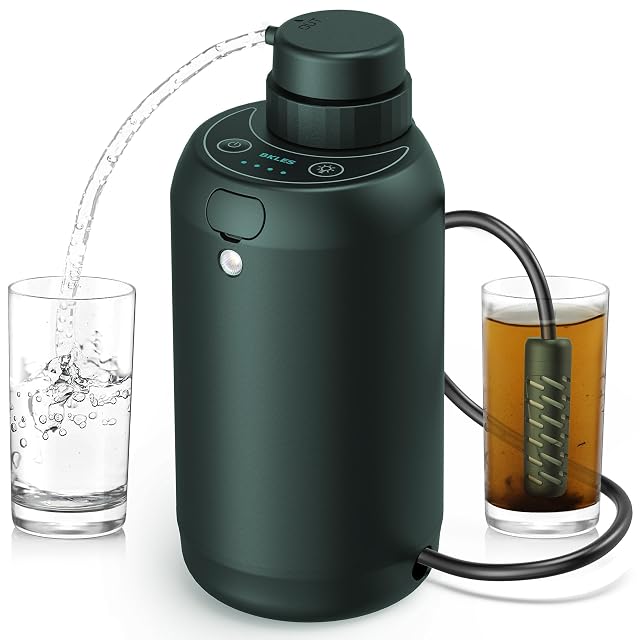
A freestanding gravity-fed filter system, manual.
Uzima states a portable gravity water filter system with a freestanding design; a
hollow fiber filter protecting against 99.999 per cent of bacteria; that the
system is globally certified and compatible with water purification tablets; that
it is easy to assemble; and that it is manual and electricity-free, needing no
power and being shelf-stable for an emergency kit.
No micron rating. No flow rate. No cartridge life. No weight. No thread. No named
certification.
What this shelf compares, and what this page gives.
Micron rating, element type, flow rate, cartridge life, weight, format, bottle
thread.
This listing publishes the element type and the format. The other five are
absent, at ninety dollars.
This shelf’s introduction opens by saying the specification sheet is the only thing
worth reading in this category.
Globally certified, by nobody named
A word where the shelf wants a standard.
LifeStraw on this shelf states that its claims are verified against protocols set
by the US EPA, NSF and ASTM. Sawyer names its own internal standard and says so.
This page names neither a certification nor an authority, and its one removal
figure — 99.999 per cent of bacteria — has no micron rating and no test behind
it.
Gravity does the work.
Pour dirty water in, clean water arrives in a container, and nobody squeezes,
sucks or pumps. For a standing camp that is the right machine, and the
introduction above says so.
It needs no power, it stores for years, and it is stated to work with purification
tablets — which covers the viruses a hollow fiber will not.
The other gravity and squeeze systems in this group publish a micron rating, a
cartridge life and a weight. This one publishes none of them.
Availability
The American Amazon store was listing it at about $90 at the time of writing.
Every figure here is what Keepa held on the day this page was last revised. Offers and prices shift without warning.
Prices quoted in this text were read on October 8, 2026. The live price is at the top of the page.
What people ask before buying
What does this listing actually publish?
A format, an element name and one removal figure: a freestanding gravity-fed system, a hollow fiber filter, and protection against 99.999 per cent of bacteria. That is all. Of the seven figures this shelf compares — micron rating, element type, flow rate, cartridge life, weight, format and bottle thread — it publishes two, and one of those is the format. This shelf's introduction opens by saying this is a category where the specification sheet is the only thing worth reading; here there is almost no sheet to read, at ninety dollars.
What does globally certified mean?
Nothing checkable, as printed. The listing states that the system is globally certified and names no certification, no standard and no authority — where LifeStraw on this shelf states that its claims are verified against protocols set by the US EPA, NSF and ASTM, and Sawyer at least names its own internal standard honestly. A certification you cannot look up is a word rather than a fact. The one substantive claim on the page, 99.999 per cent of bacteria, has nothing behind it either: no micron rating, no test, no protocol.
Is a gravity system still worth buying?
The format is genuinely the best one for a standing camp, and that is the case for this product. You hang or stand it, pour dirty water in, and clean water arrives in a container without anyone squeezing, sucking or pumping — which is what this shelf's introduction says gravity bags exist for. It needs no power, it is stated shelf-stable, and it is stated to work alongside purification tablets, which covers viruses that a hollow fiber will not. But the two other gravity or squeeze systems in this group publish a micron rating, a cartridge life and a weight, and this one publishes none of the three.